
- Problem
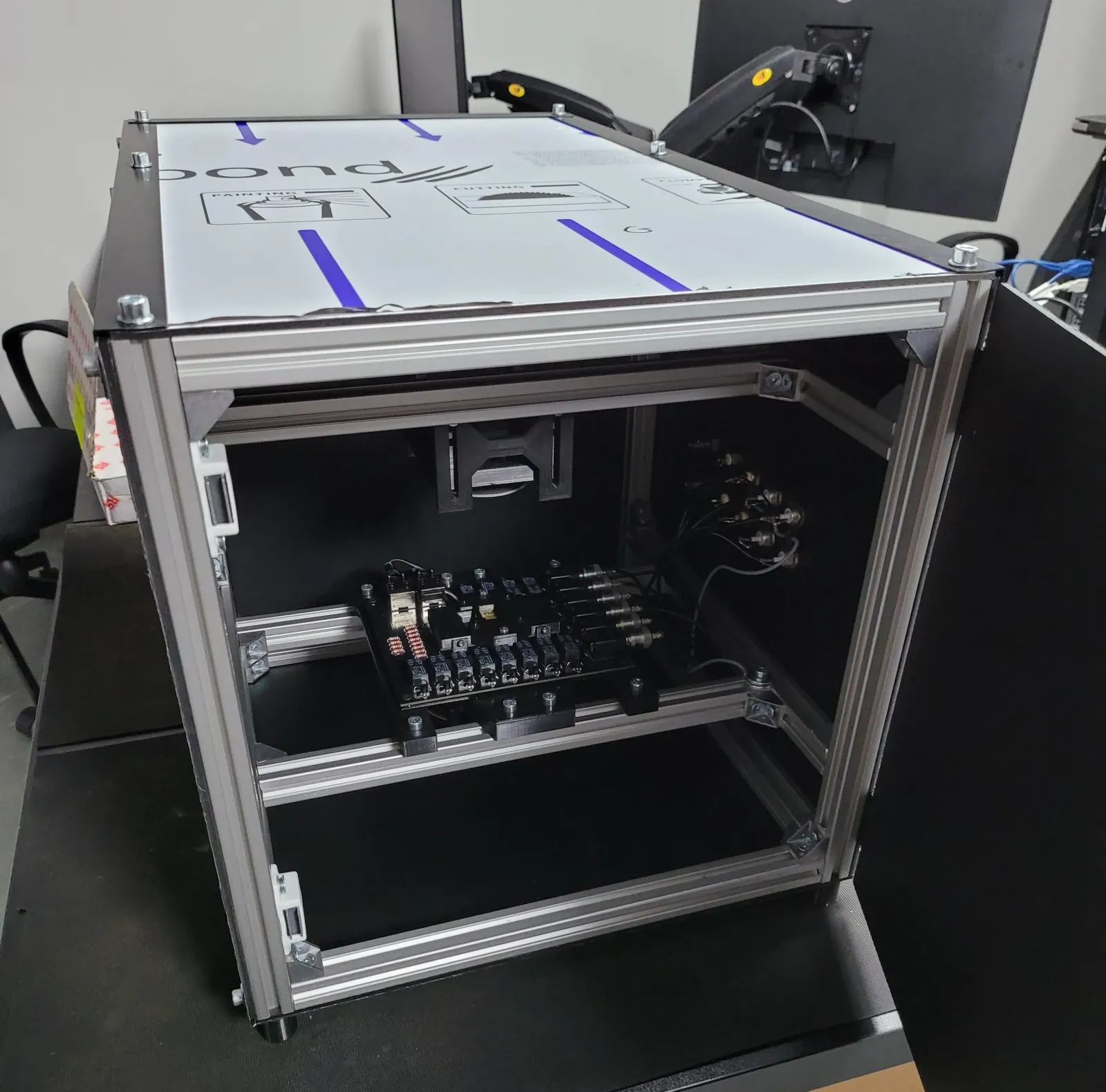
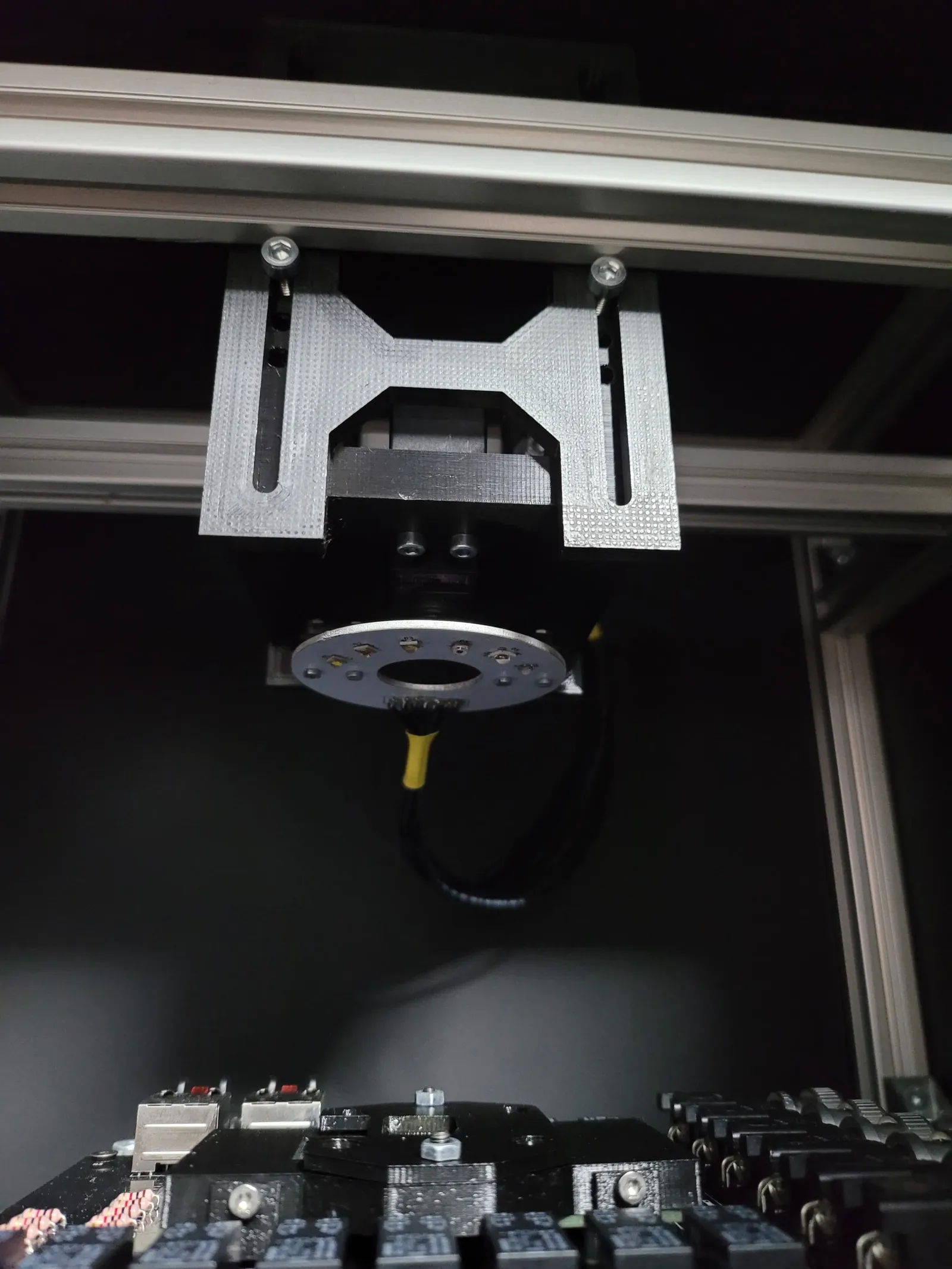
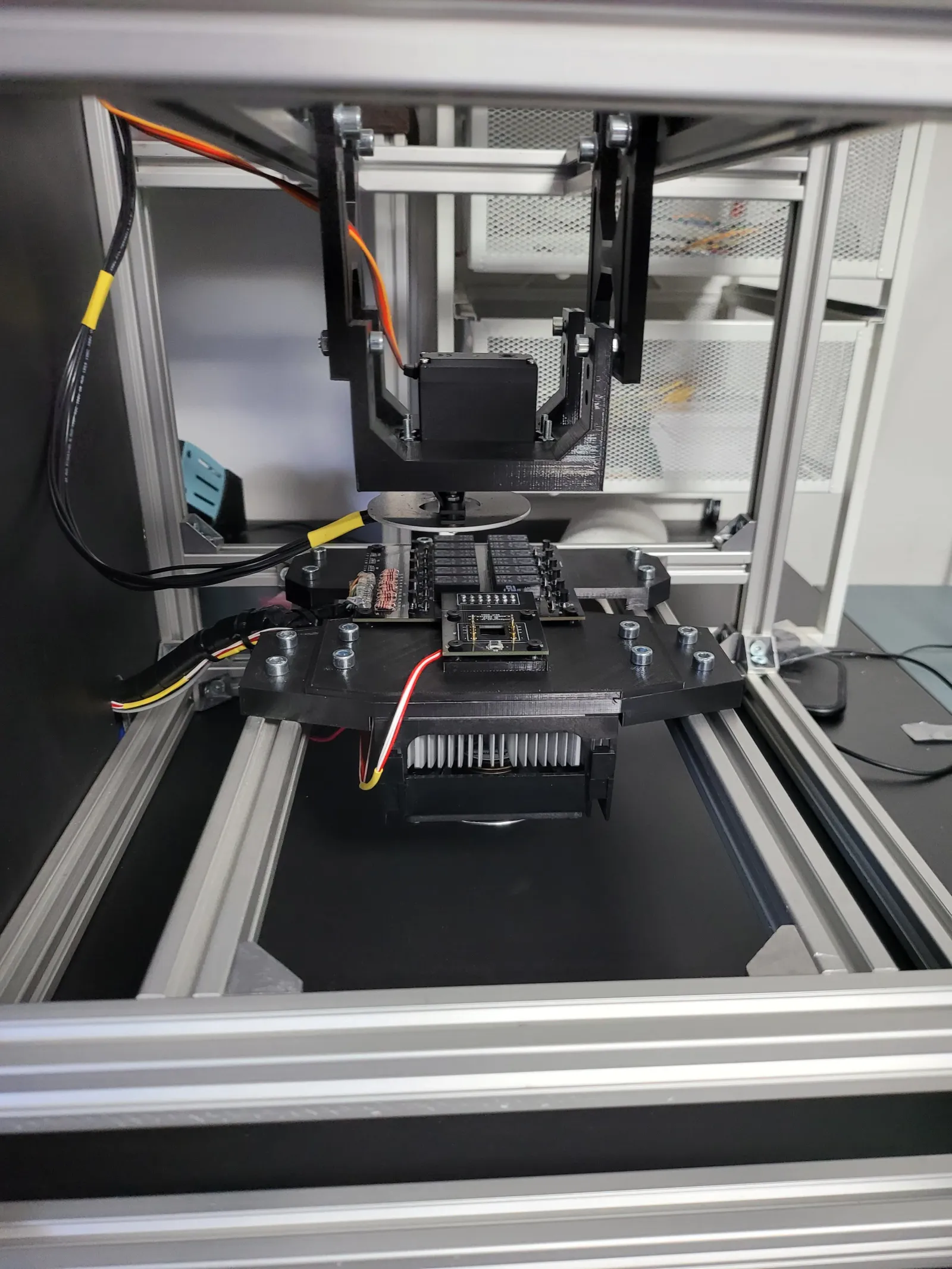
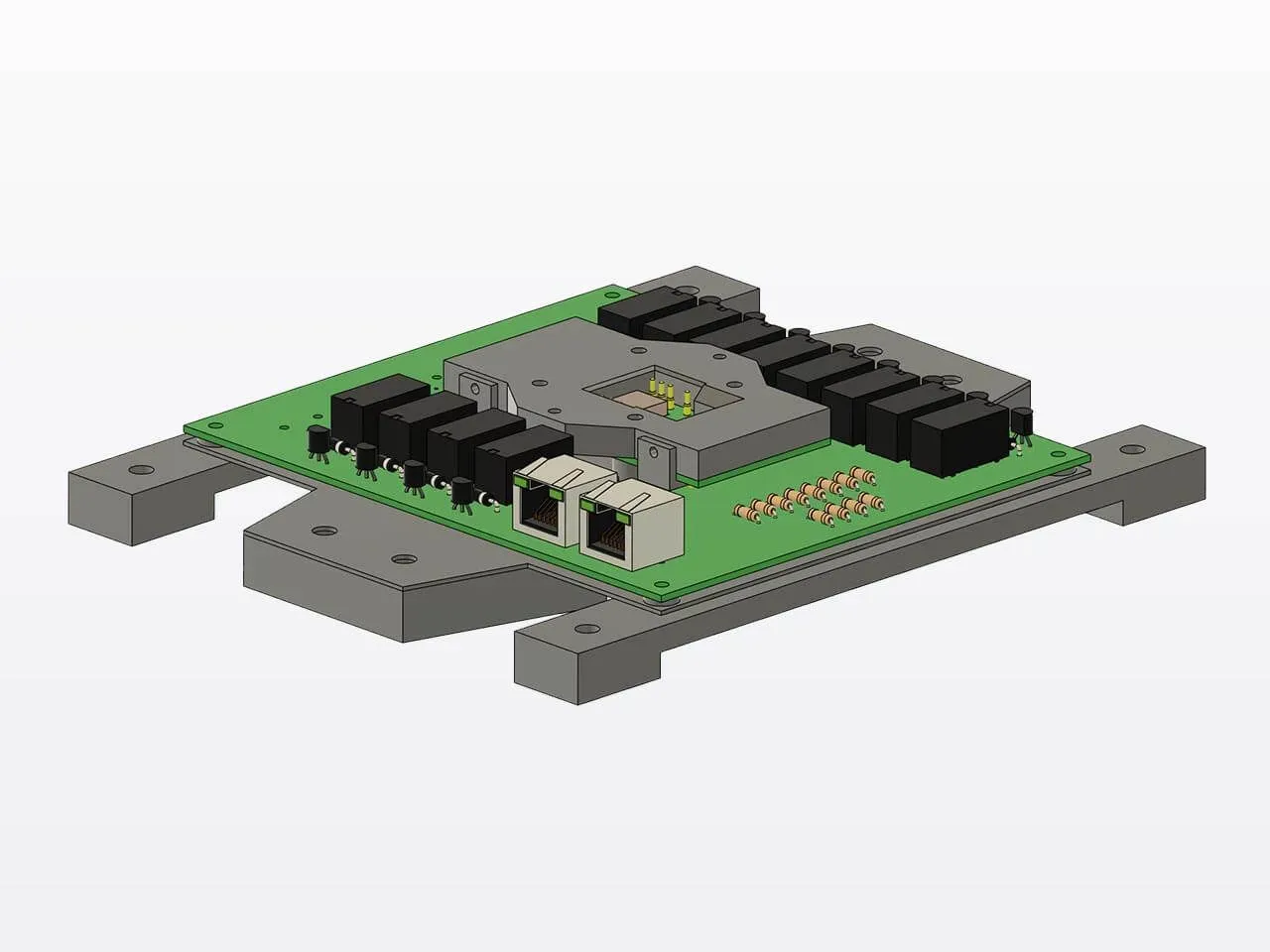
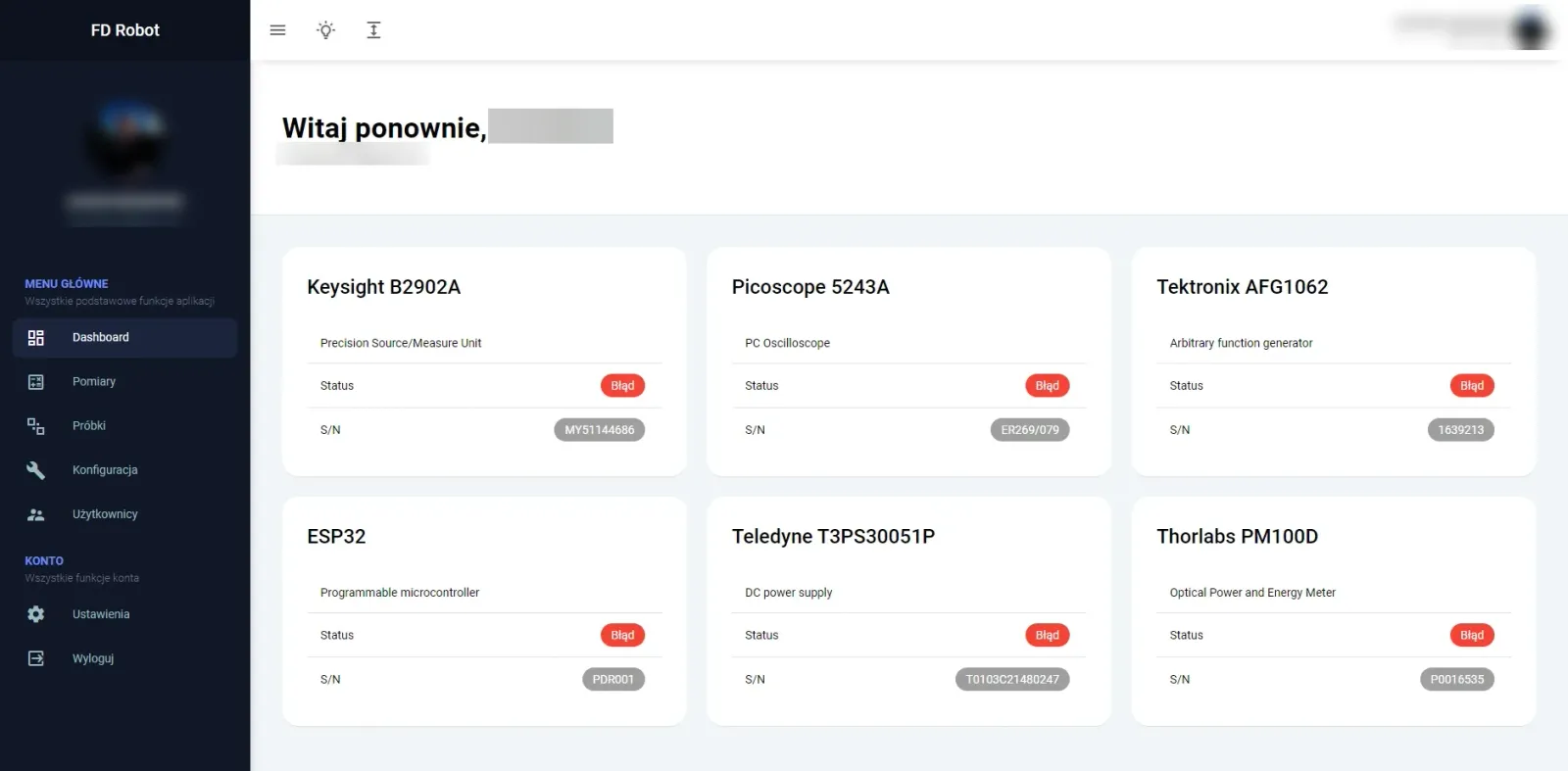
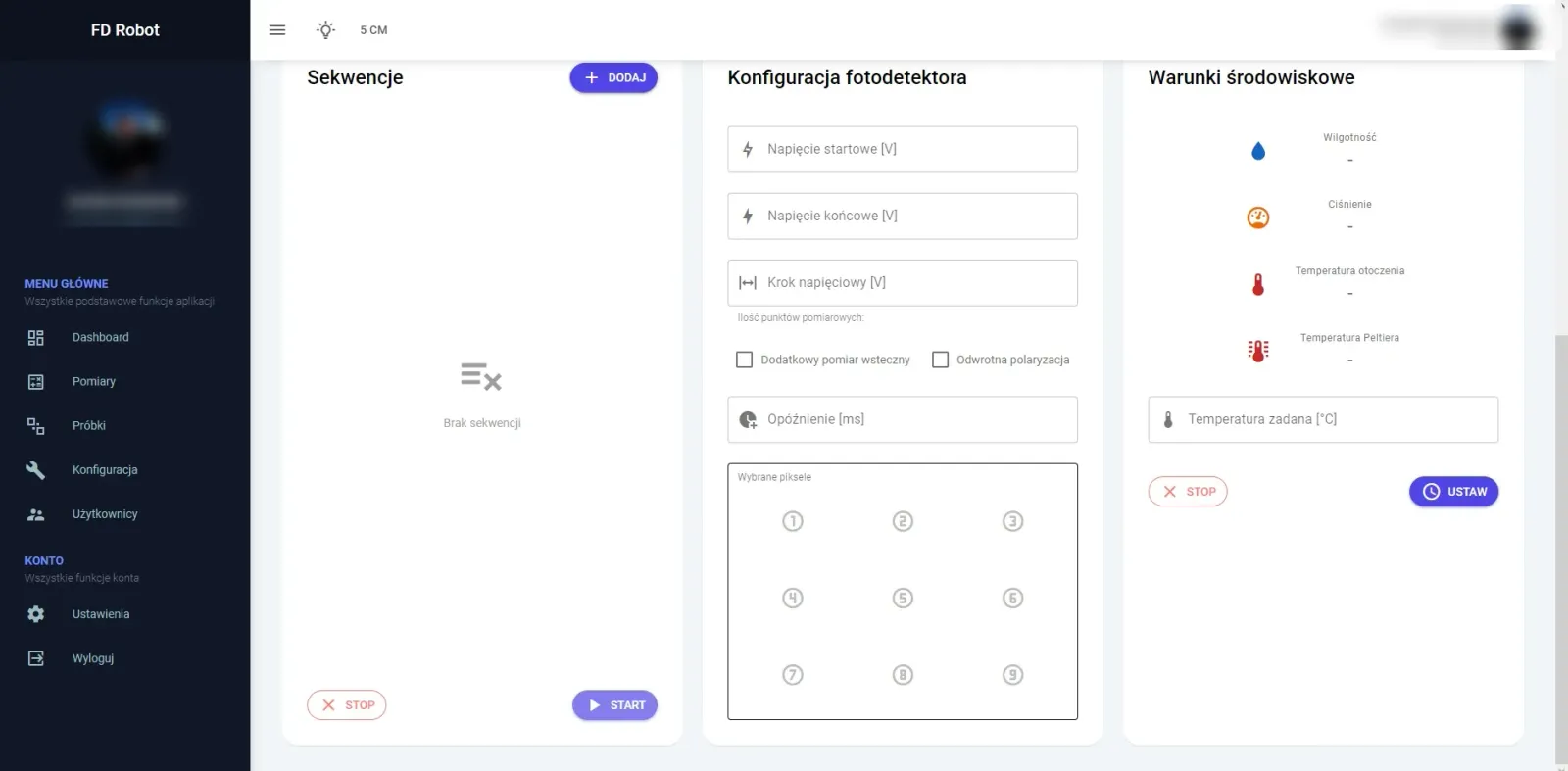
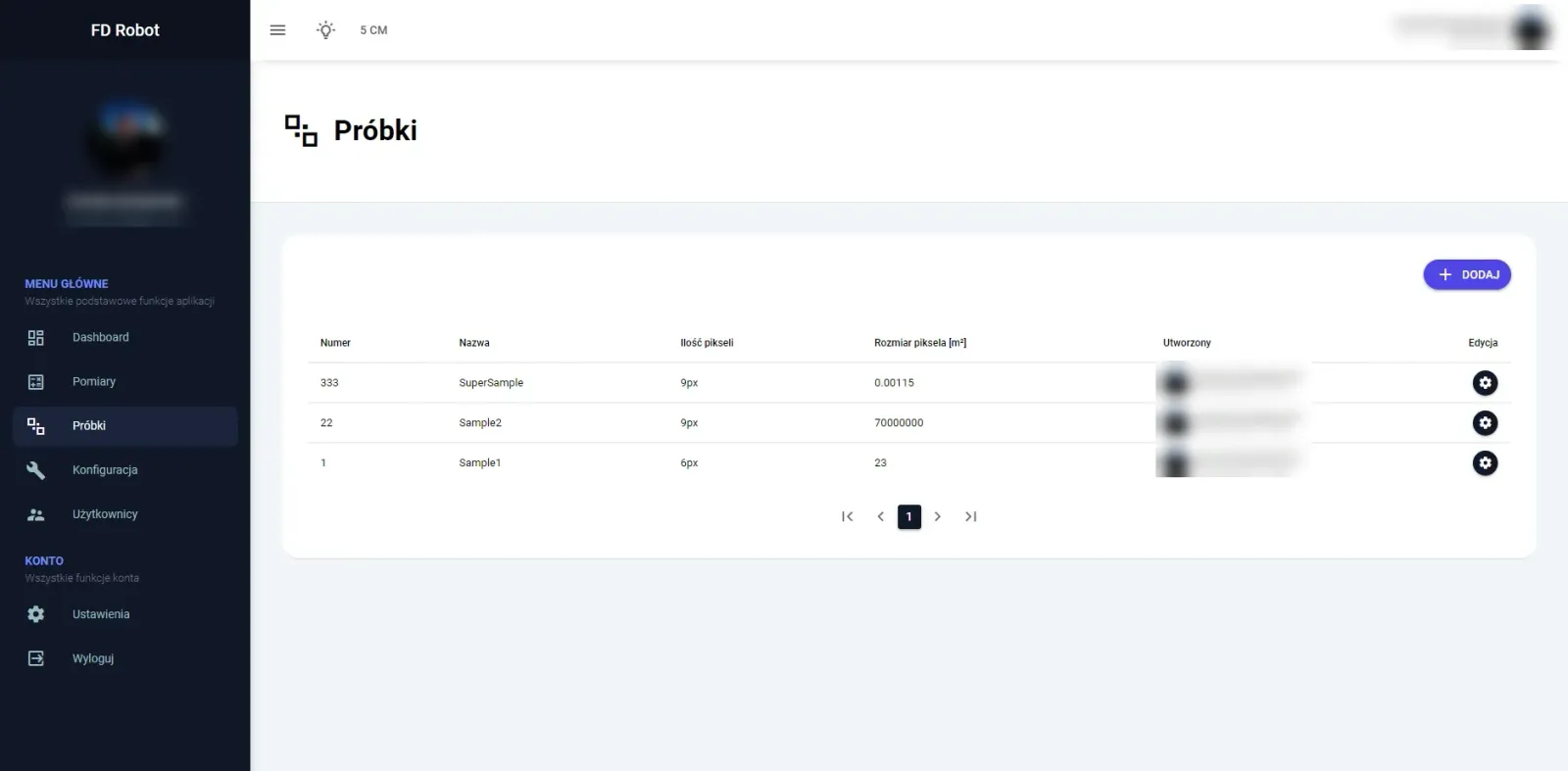
- Characterising organic transistors deposited on a glass sample means measuring many devices under different lighting. Measuring each transistor by hand is slow and hard to repeat.
- Solution
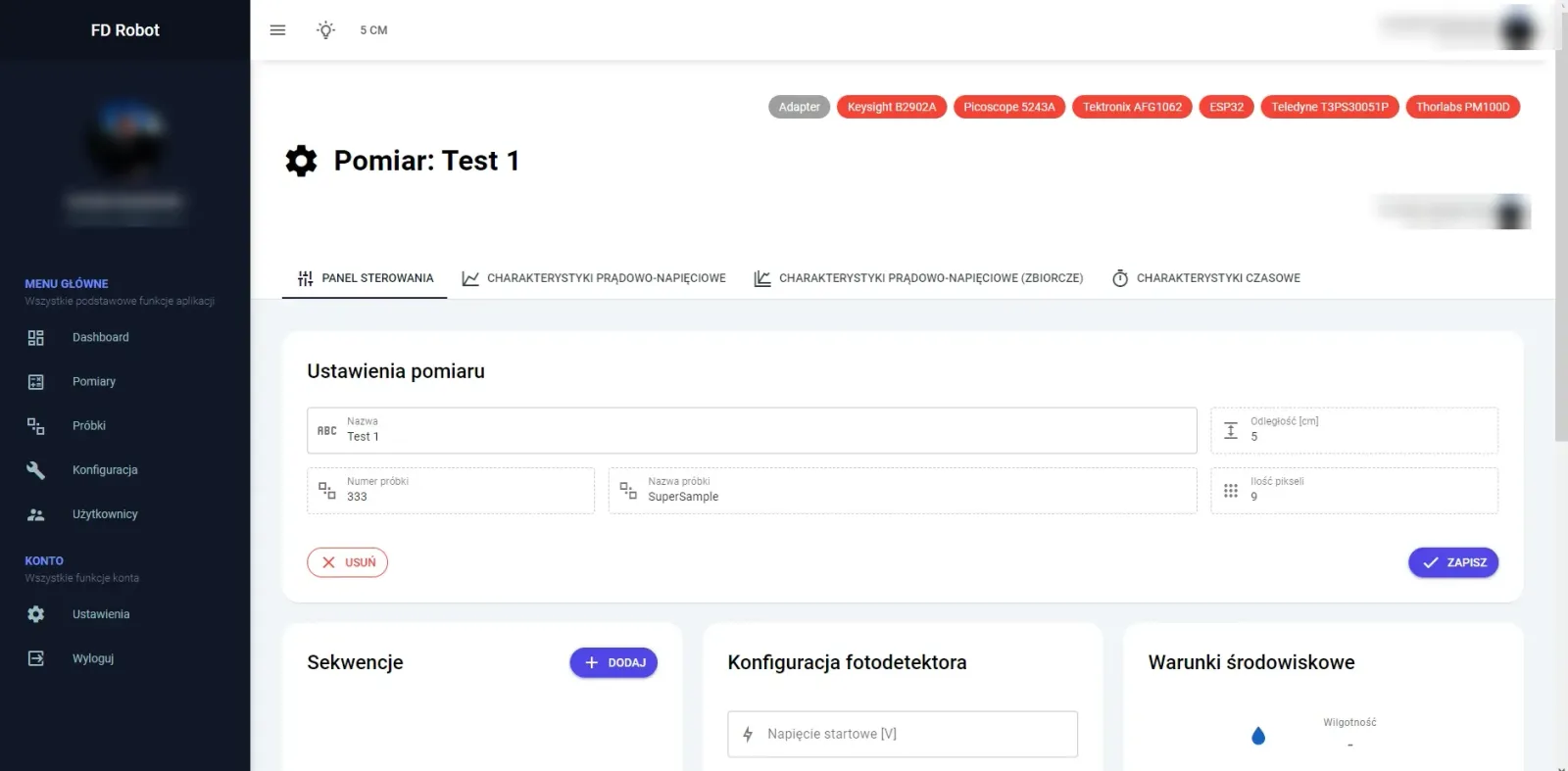
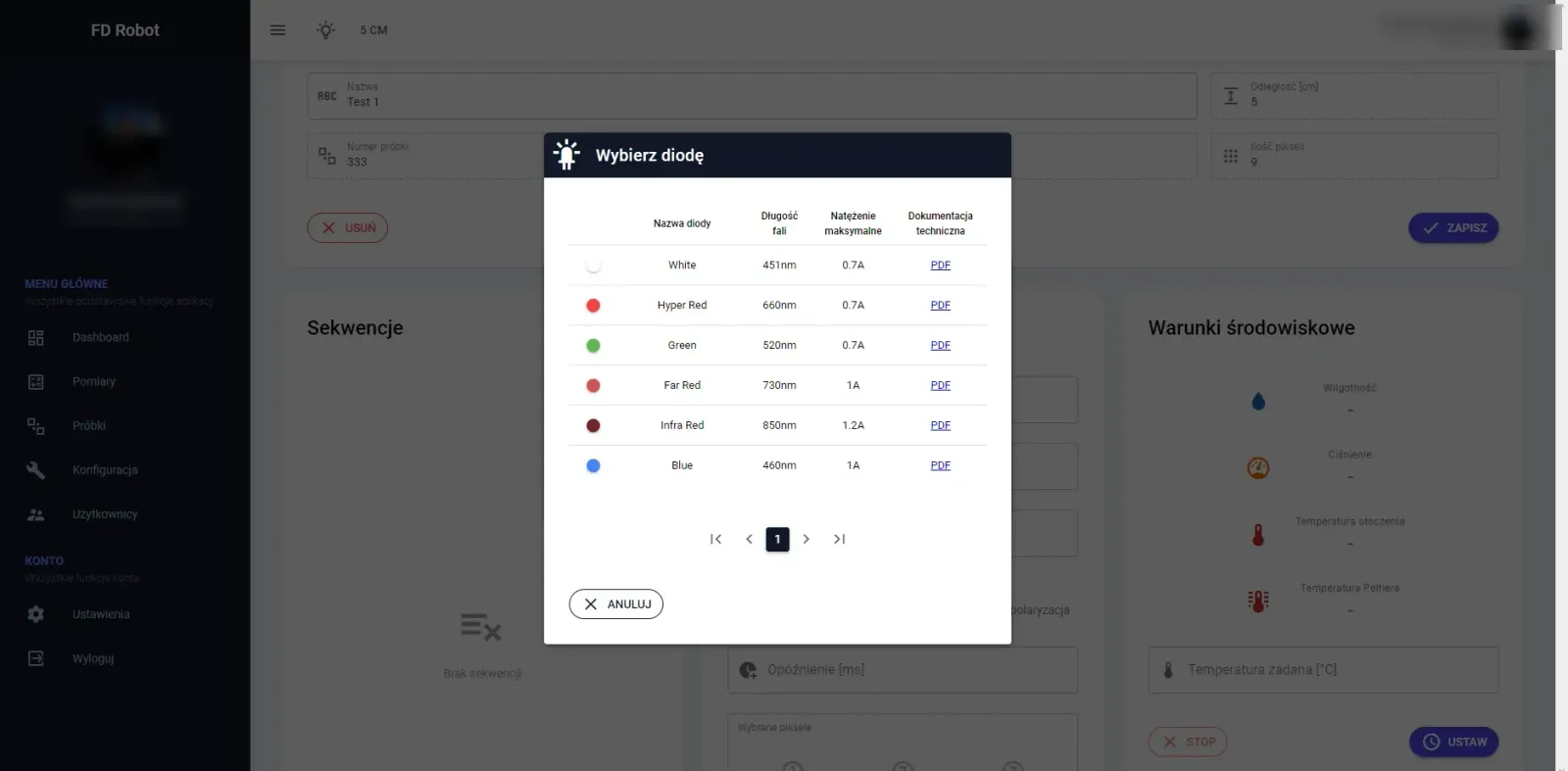
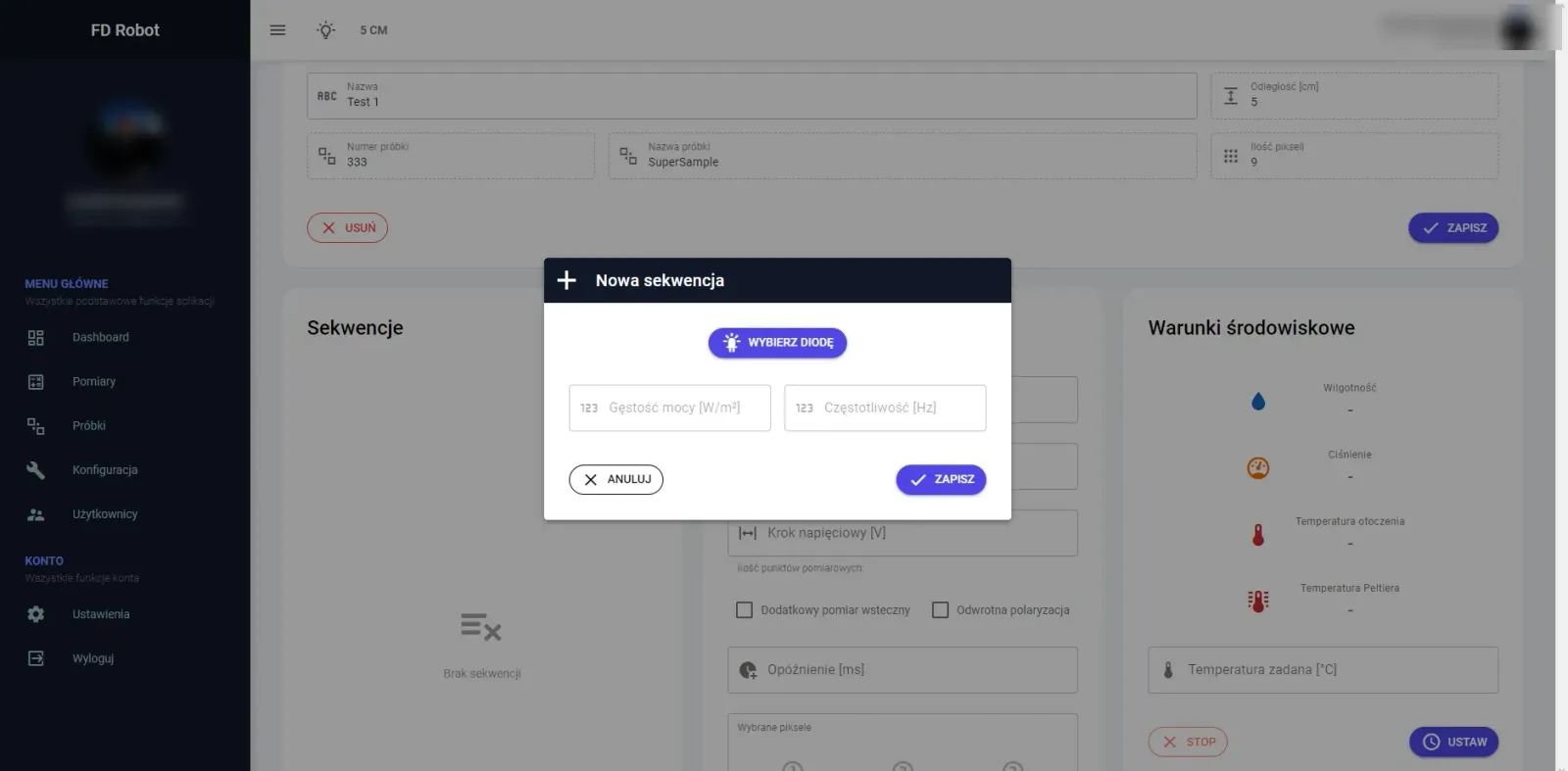
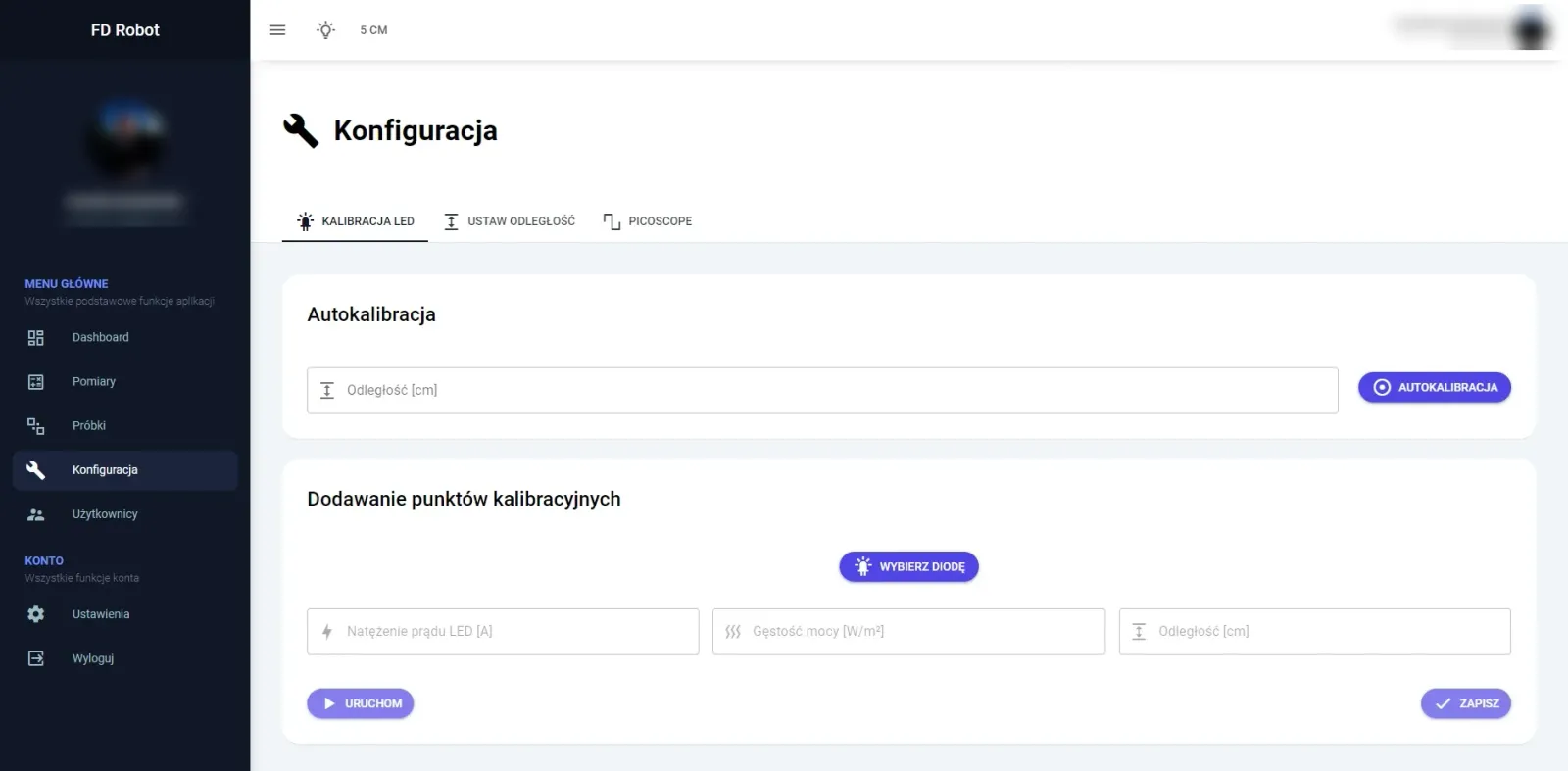
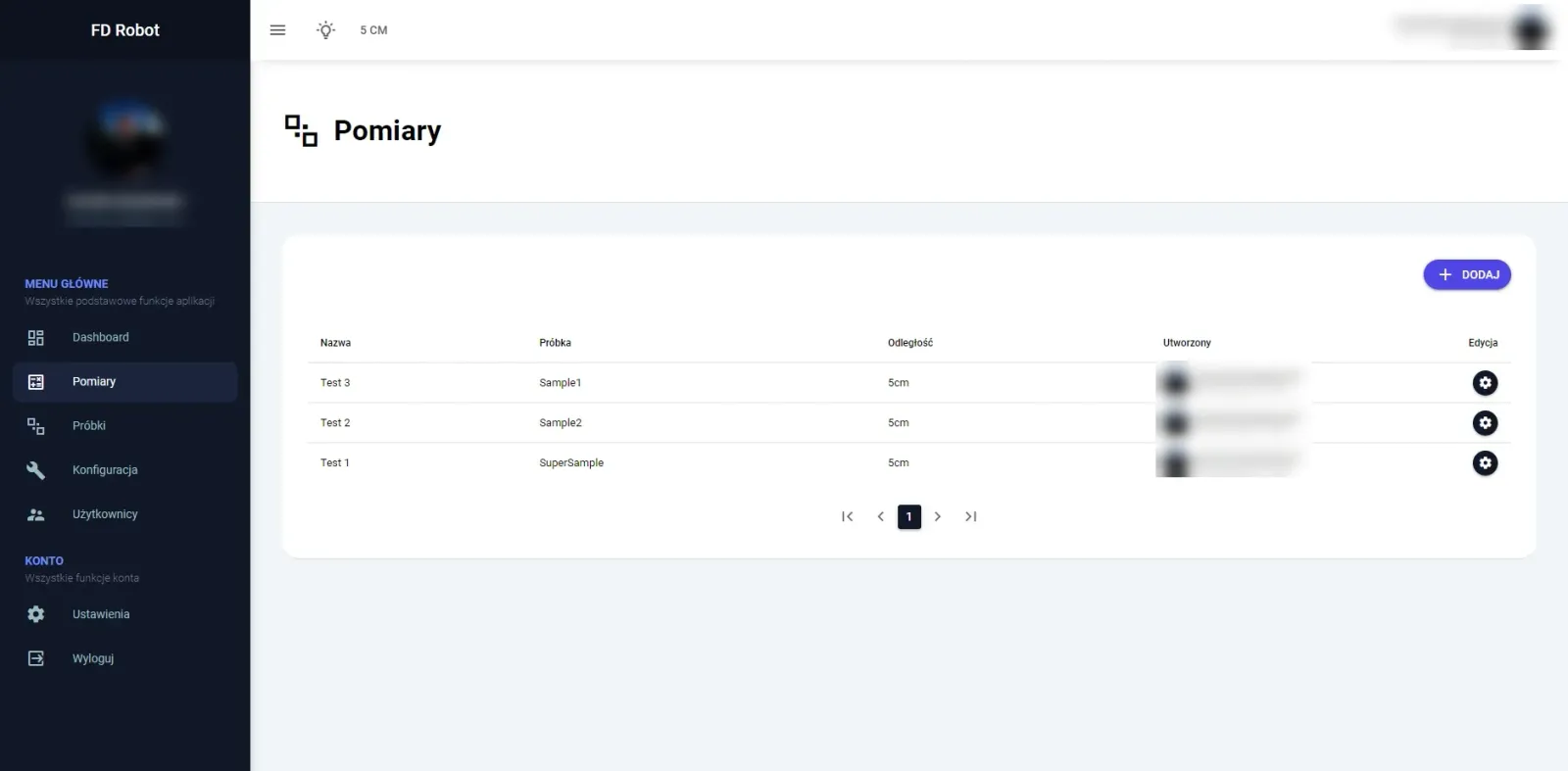
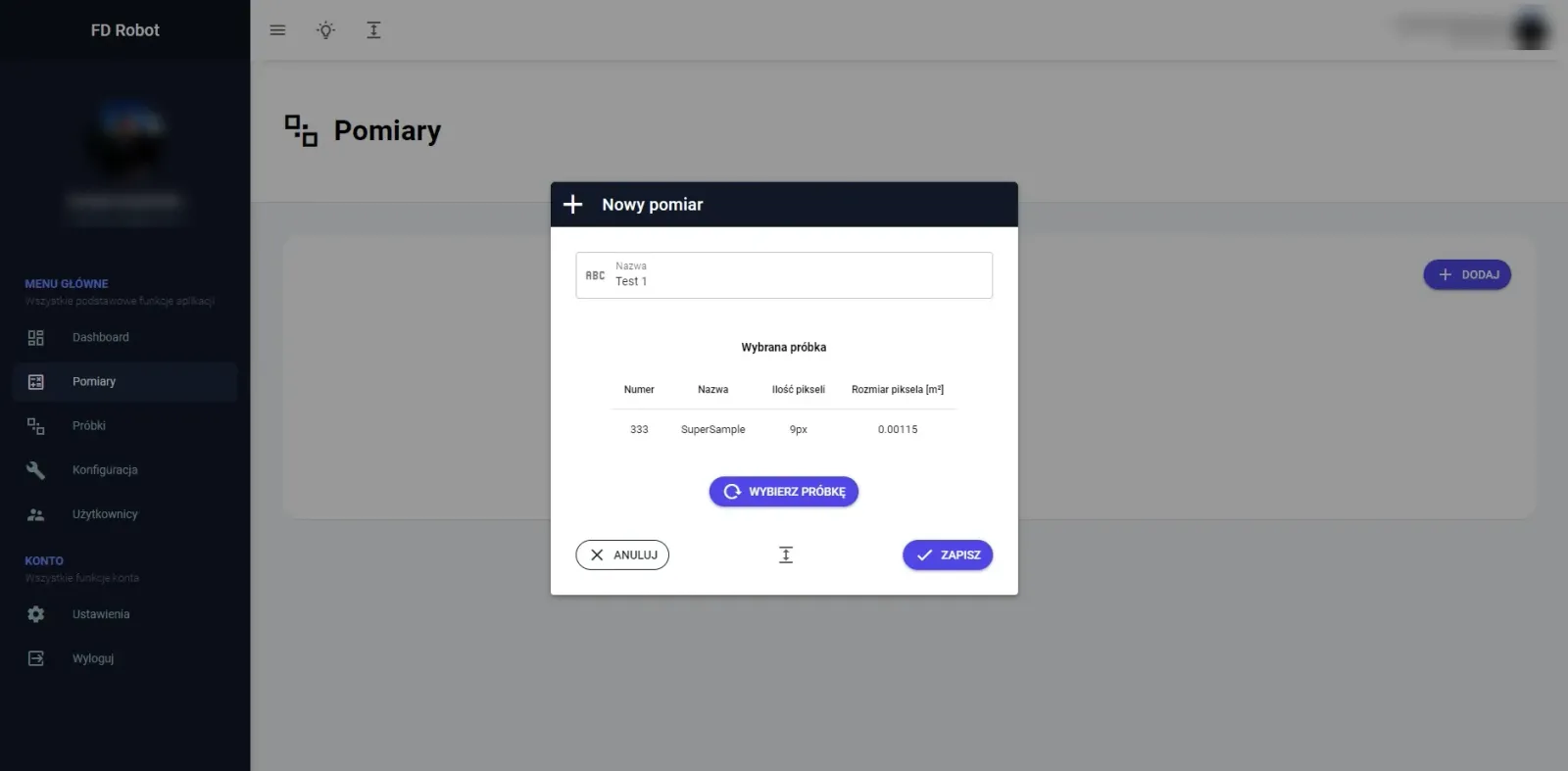
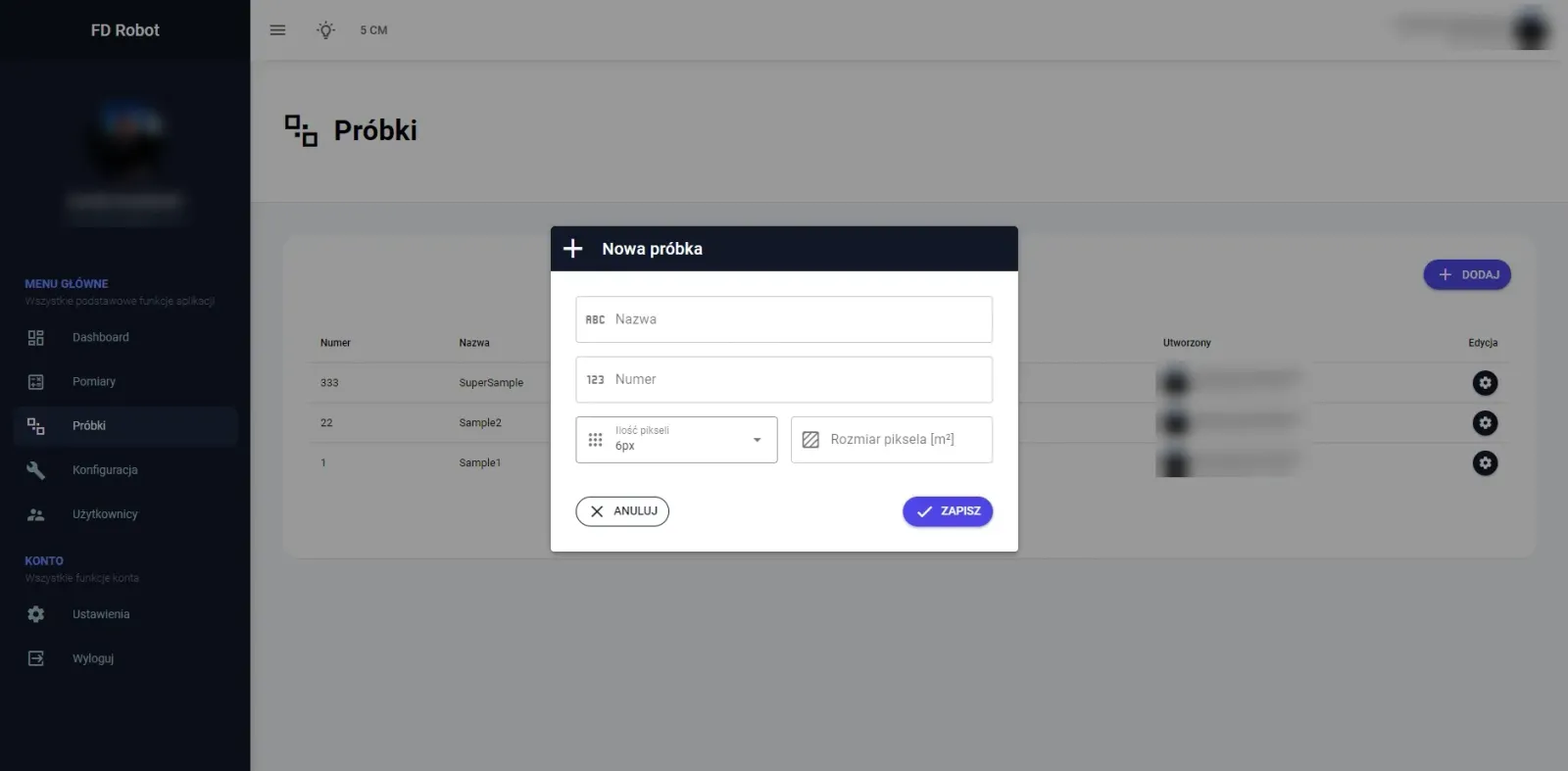
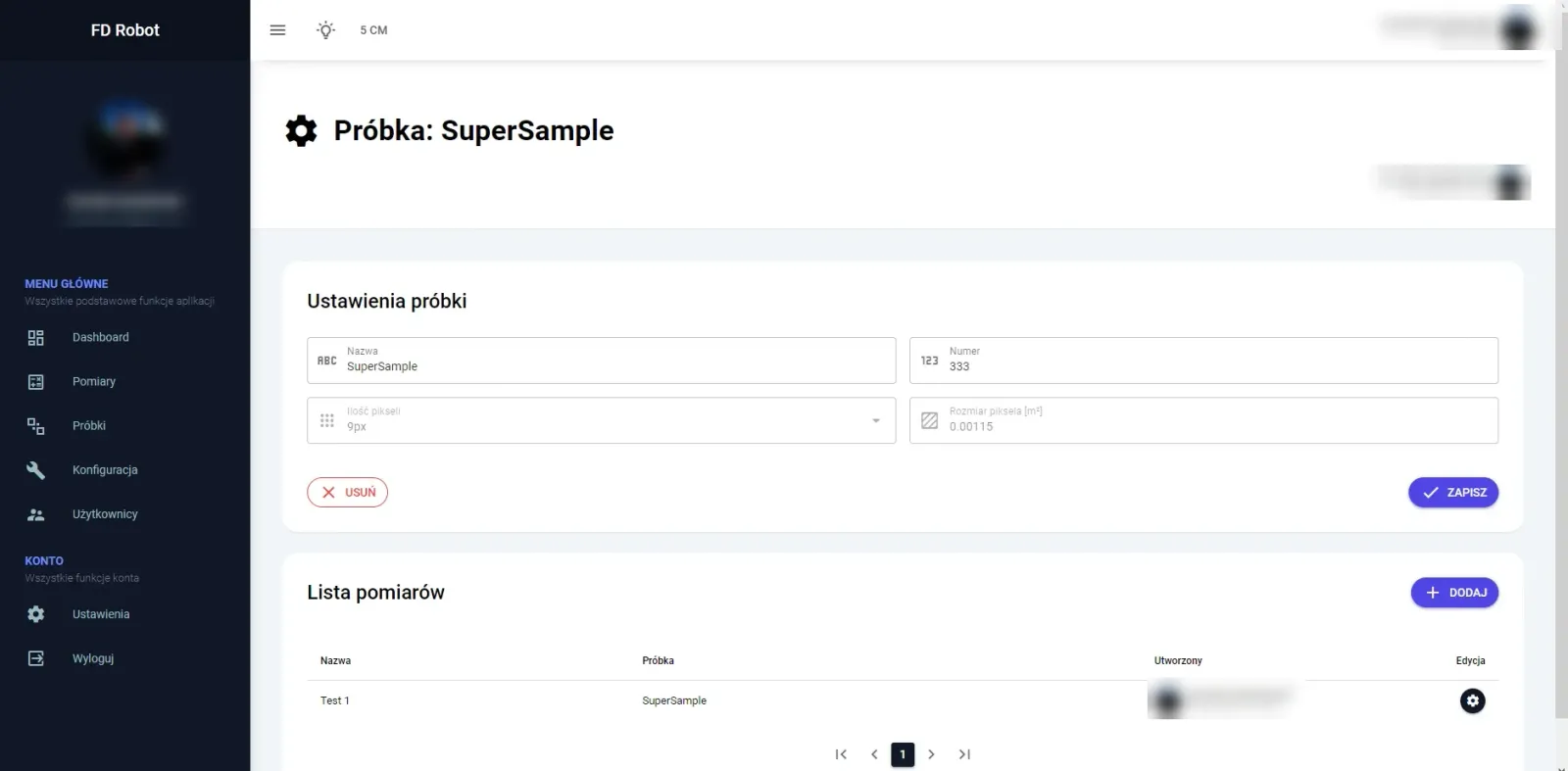
- Gold spring-loaded pins contact the transistor matrix on the sample, while a servo-driven plate with different types of LEDs selects the light source and illuminates the sample evenly. A Keysight B2902A source measure unit meanwhile runs time-based and current-voltage measurements. An app configures samples, measurement conditions and user profiles. It works both inside and outside a glovebox.
- Result
- About 100 transistors on a 1-inch sample in 40 minutes, with mobility, threshold voltage and on/off current ratio determined automatically according to the IEEE standard. The device is sold by the manufacturer.
Non-standard measurement systems and device prototypes
Research and test stands and prototypes that combine electronics, mechanics, sensors, control and software. For manufacturers, laboratories, R&D departments and automation integrators, when no off-the-shelf solution exists.

Scope of work

Measurement systems
Measuring quantities that off-the-shelf equipment can't handle, or in conditions where standard devices fail. Together with data acquisition, result analysis and reporting.

Research and test stands
Automating repetitive research and tests: sample positioning, condition control and result collection without manual handling.

Device prototypes
A working prototype that combines electronics, mechanics, sensors, control and software. From PCB and mechanical design to firmware and the app.

Concept verification
Checking whether a difficult technical idea is feasible before it eats the budget. An experiment, measurements and a clear answer: it works, it doesn't, or under which conditions.
First engagement
Paid feasibility analysis
Before budget goes into a prototype, it is worth knowing whether the idea can work at all. A feasibility analysis is a small, self-contained engagement with scope and price agreed before it starts.
Deliverable: a report answering four questions
Can it be done?
A clear verdict: feasible, not feasible, or feasible under specific conditions. With the reasoning behind it.
Which approach?
The recommended technical method, e.g. measurement principle, sensor selection or system architecture, along with the rejected alternatives.
What could go wrong?
The main risks and the cheapest way to test them before anything gets built.
What does the next step cost?
Scope, timeline and quote for the prototype (PoC), so the decision to continue rests on numbers, not guesswork.
No commitment to further stages. A negative result has value too: it stops spending before it goes into something that cannot work.
Ask about an analysisNew possibilities through engineering and experimentation
Research and development (R&D) projects at Nexebit combine expertise in electronics, mechanics and software. The offer covers developing non-standard measurement systems, research and test stands, and device prototypes tailored to individual needs and technical requirements.
The starting point is problem analysis and a solution concept. The next stage is feasibility verification, building a prototype and running tests that assess the potential for further development.
This way a demanding technical concept becomes a working prototype that validates assumptions and reduces the risk of further investment.
R&D experience
- Problem
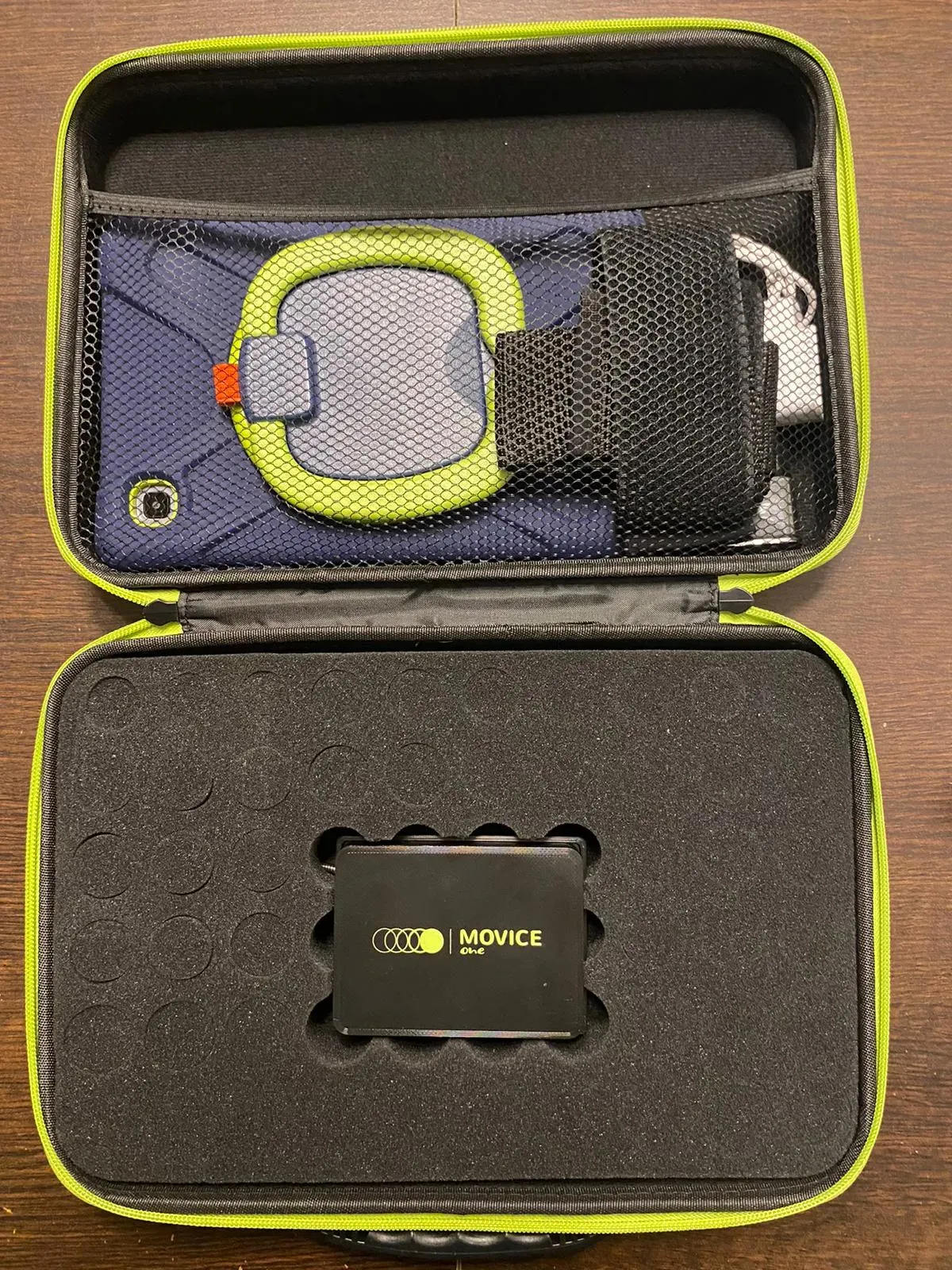
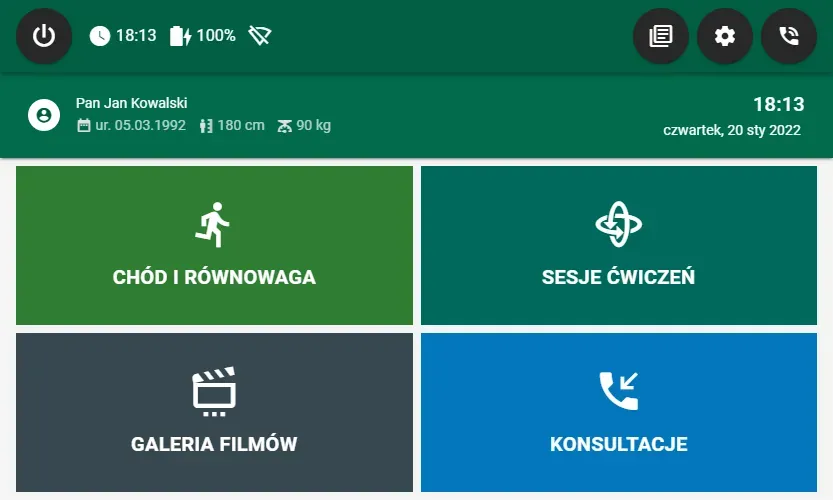
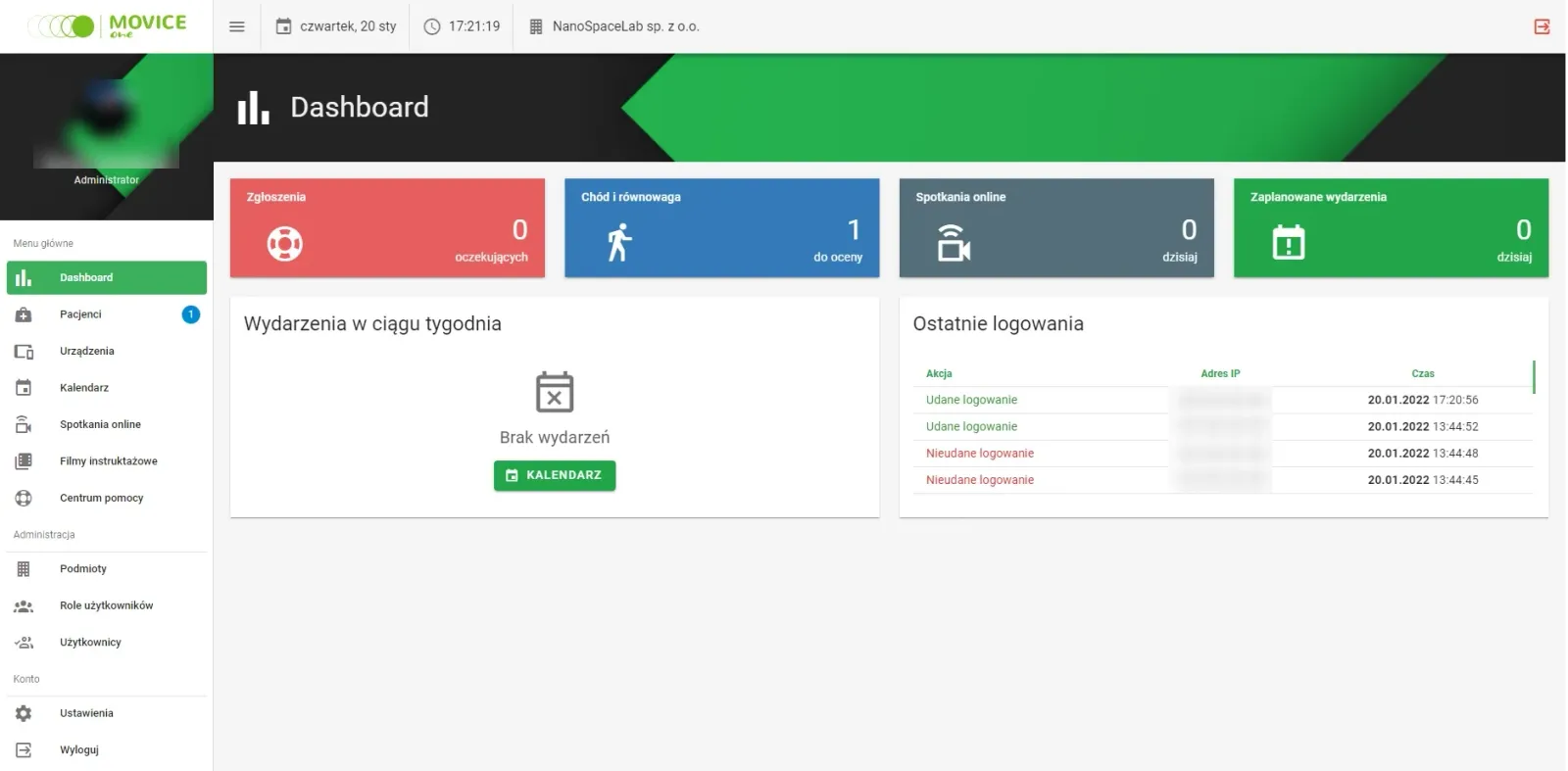
- Home rehabilitation happens without supervision and without objective data. Neither the patient nor the physiotherapist knows whether exercises are done correctly and whether fitness is improving.
- Solution
- A wireless IMU motion sensor in a hip belt, paired with a tablet with a SIM card, an exercise library and video consultations.
- Result
- Objective assessment of muscle strength and movement, automatic progress reports for the patient and physiotherapist, and no dependency on home WiFi.
- Problem
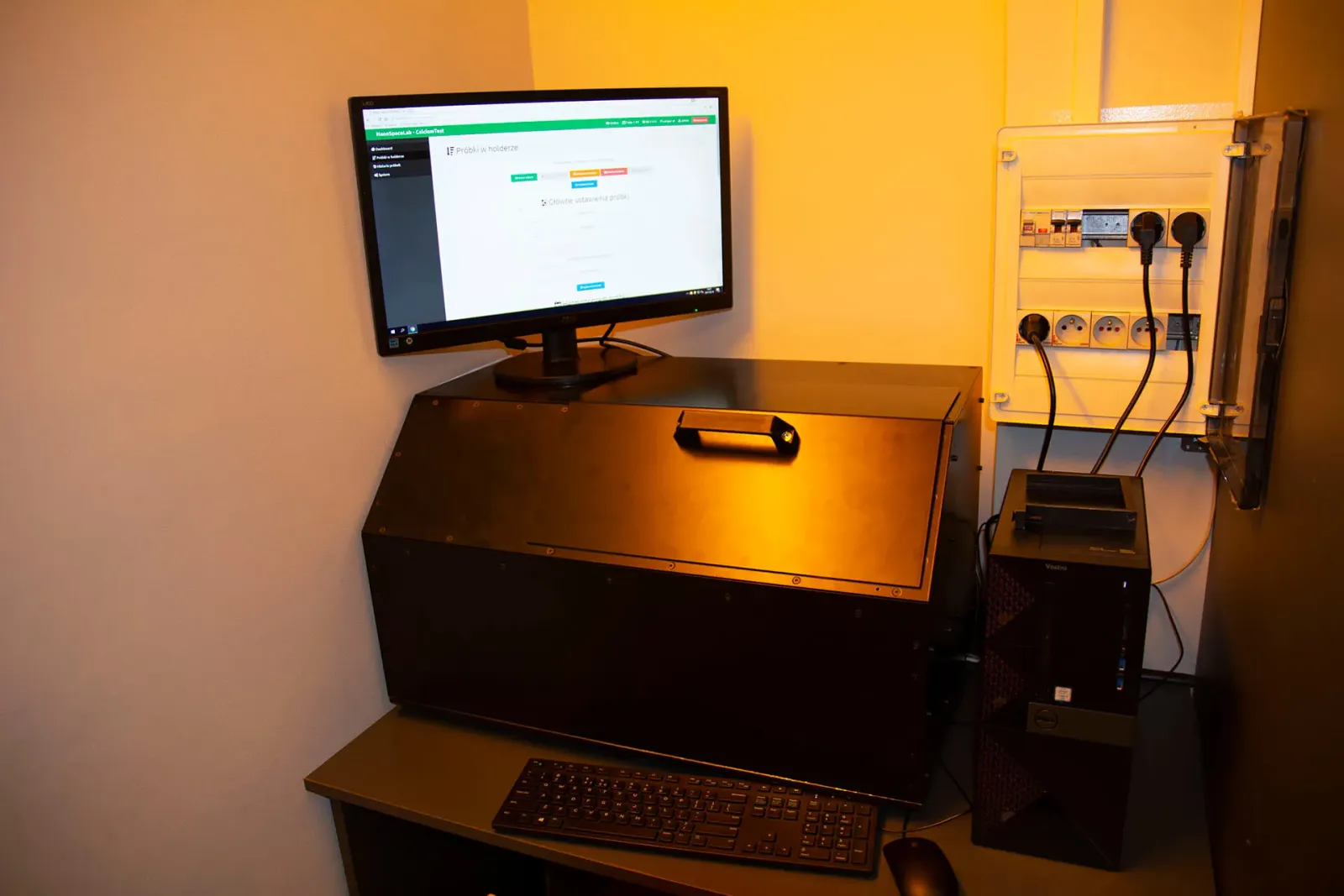
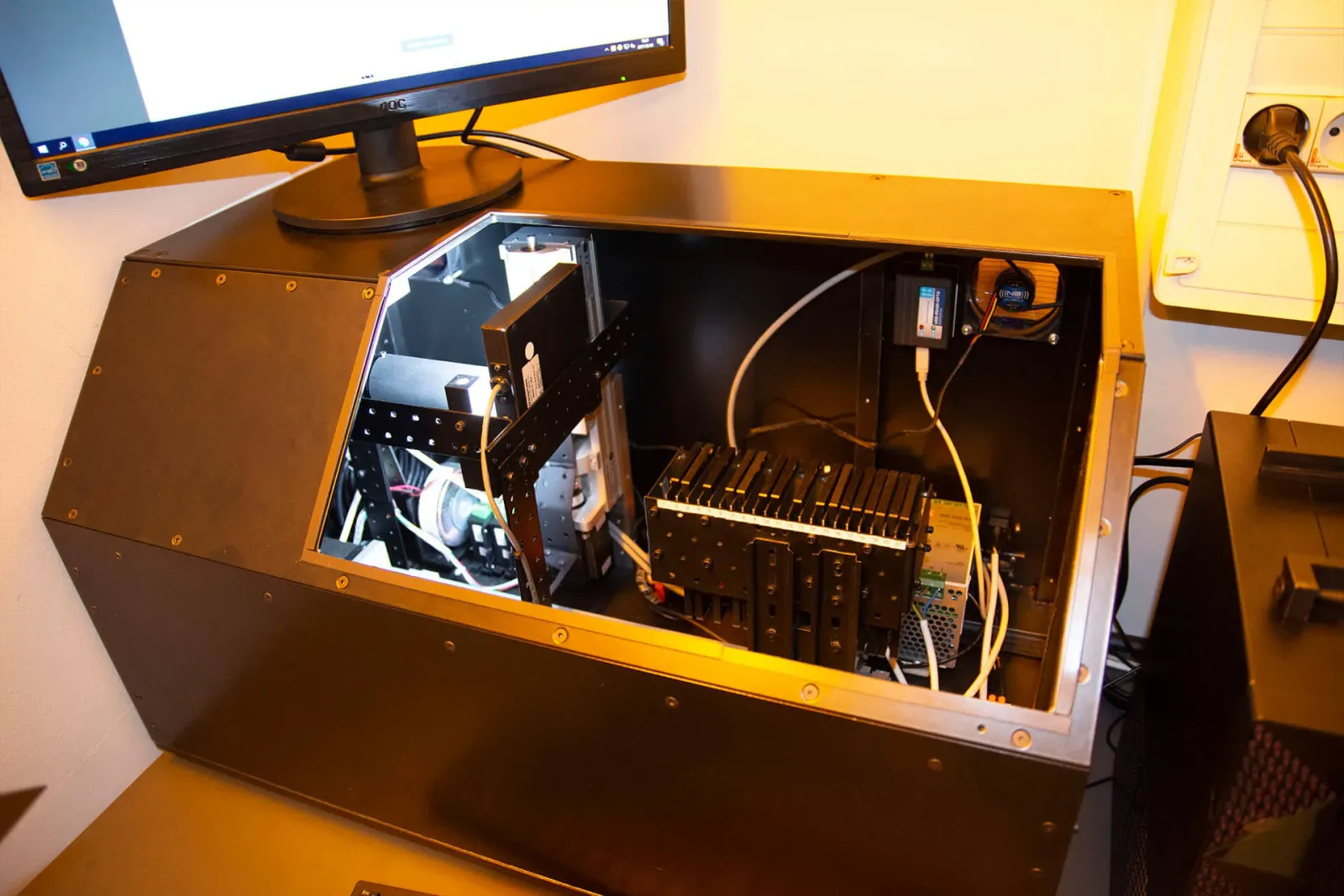
- Evaluating barrier layers and encapsulation materials requires very sensitive, long-running measurements of water vapour transmission that are hard to run by hand.
- Solution
- A station that measures with the optical calcium test, with a sensitive camera, automatic sample positioning, Raspberry Pi control and an app for scheduling measurements and analysing results.
- Result
- Autonomous measurements with remote start, frequency changes and result analysis. The device is sold by the manufacturer.
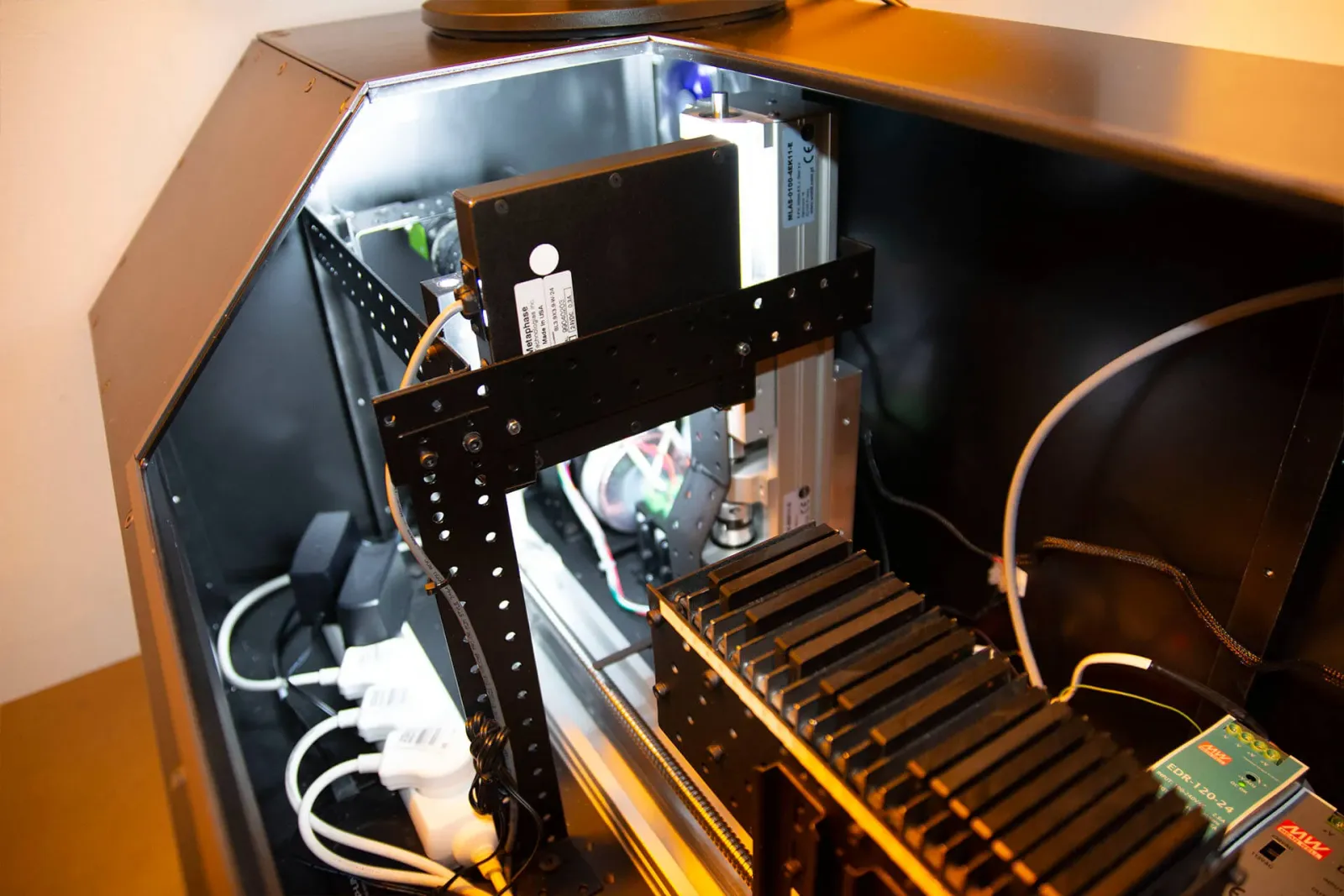
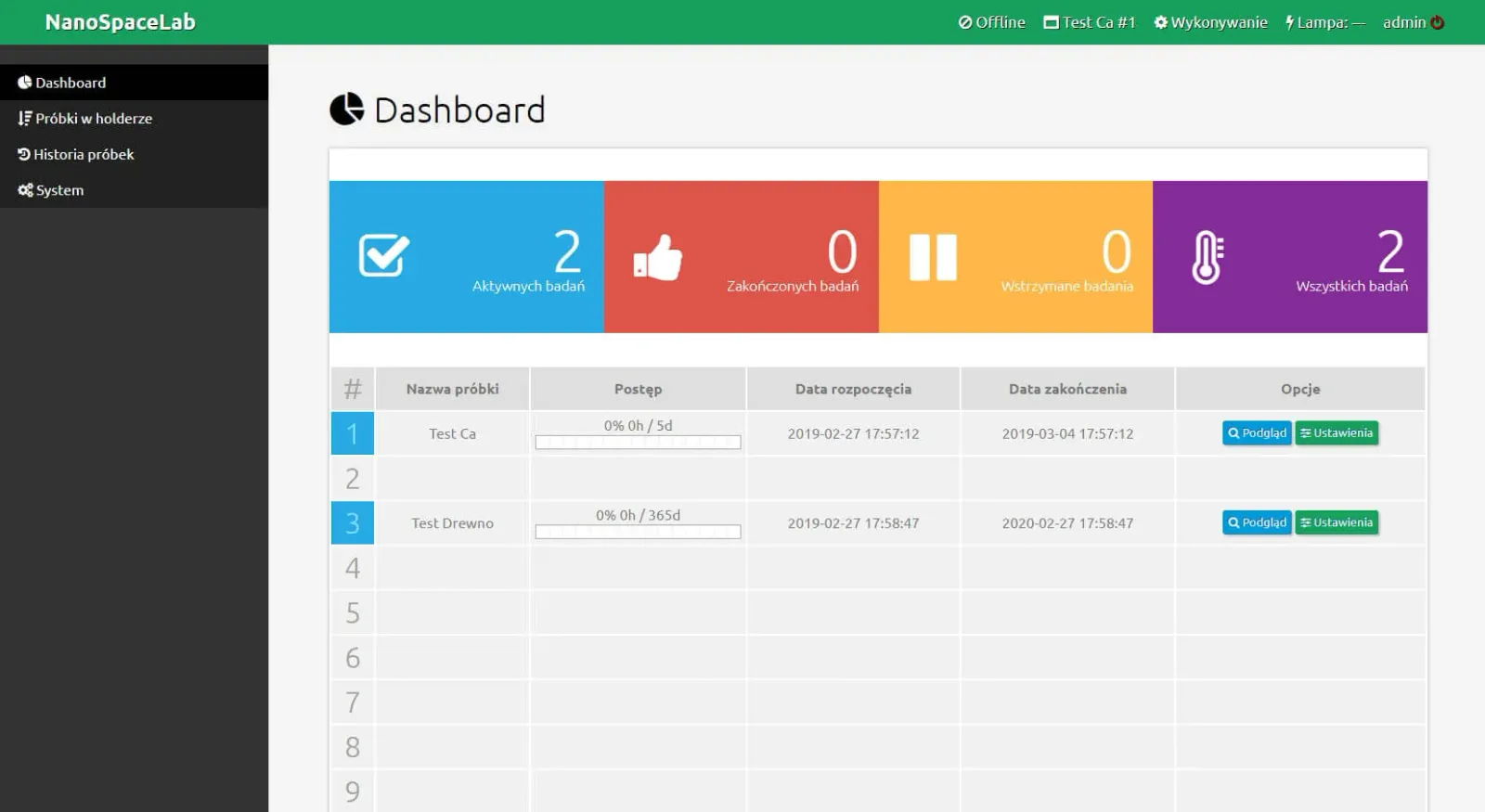
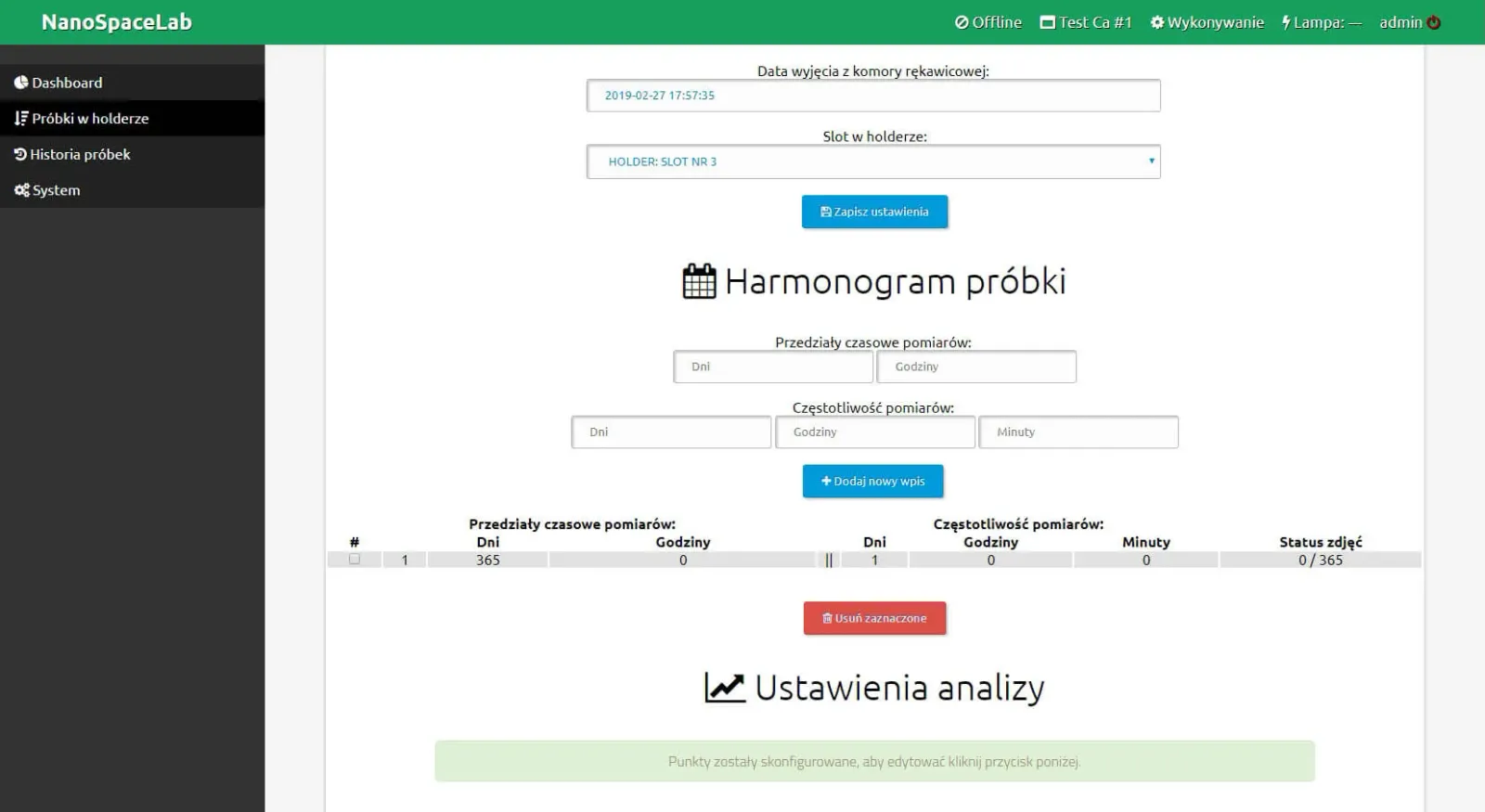
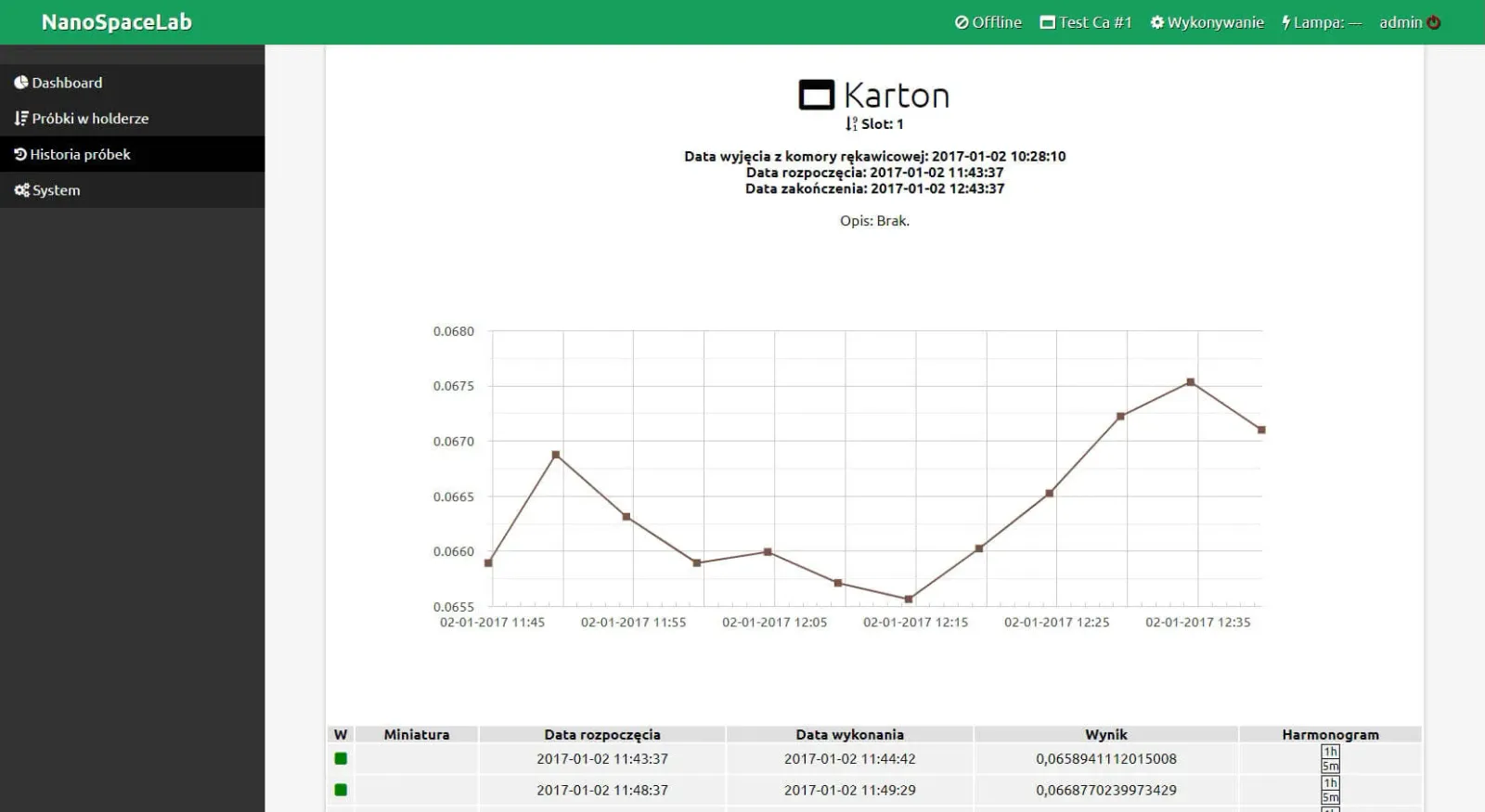
The selected projects come from the previous professional experience of the founder of Nexebit.
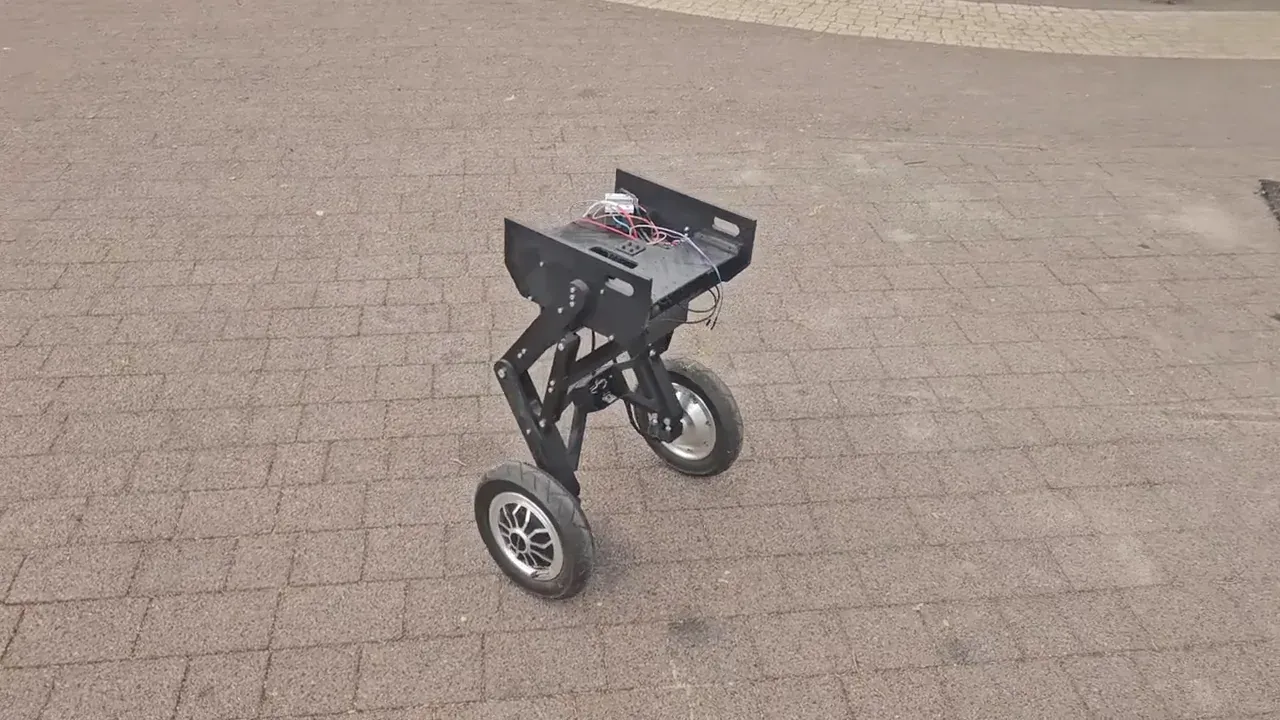
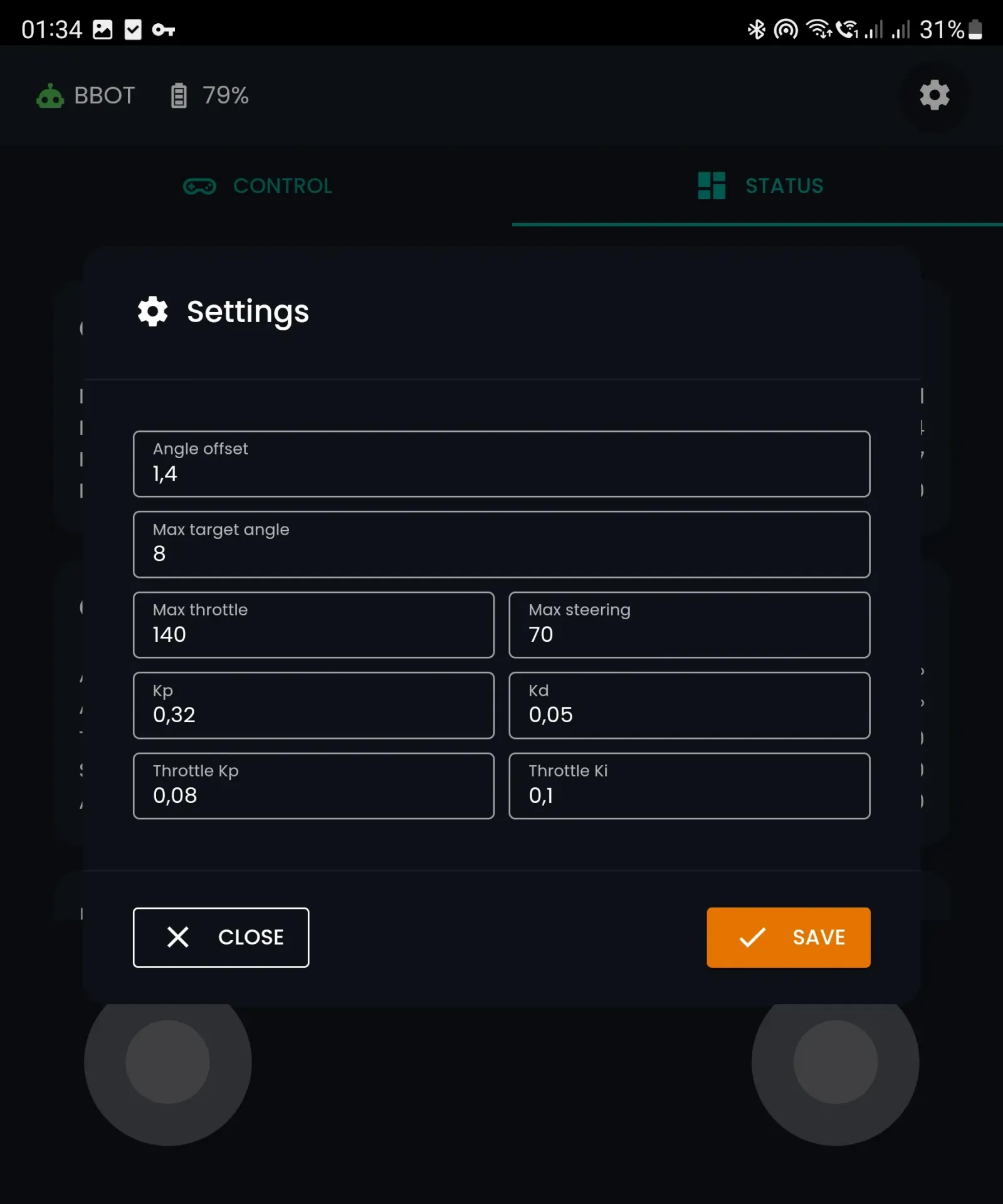
Own project
- Problem
- A two-wheeled robot is inherently unstable. Keeping it balanced takes a fast control loop driven by gyroscope readings.
- Solution
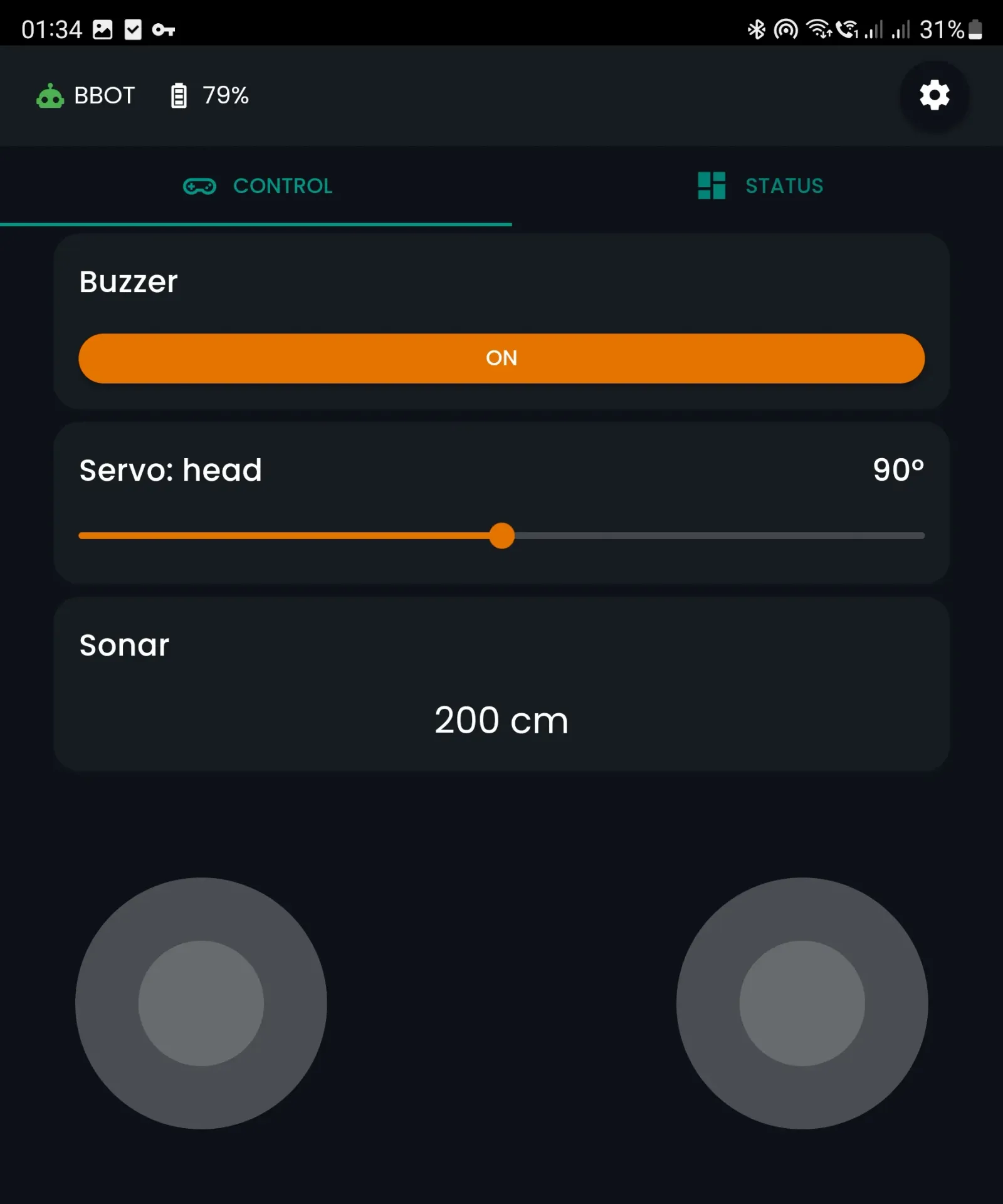
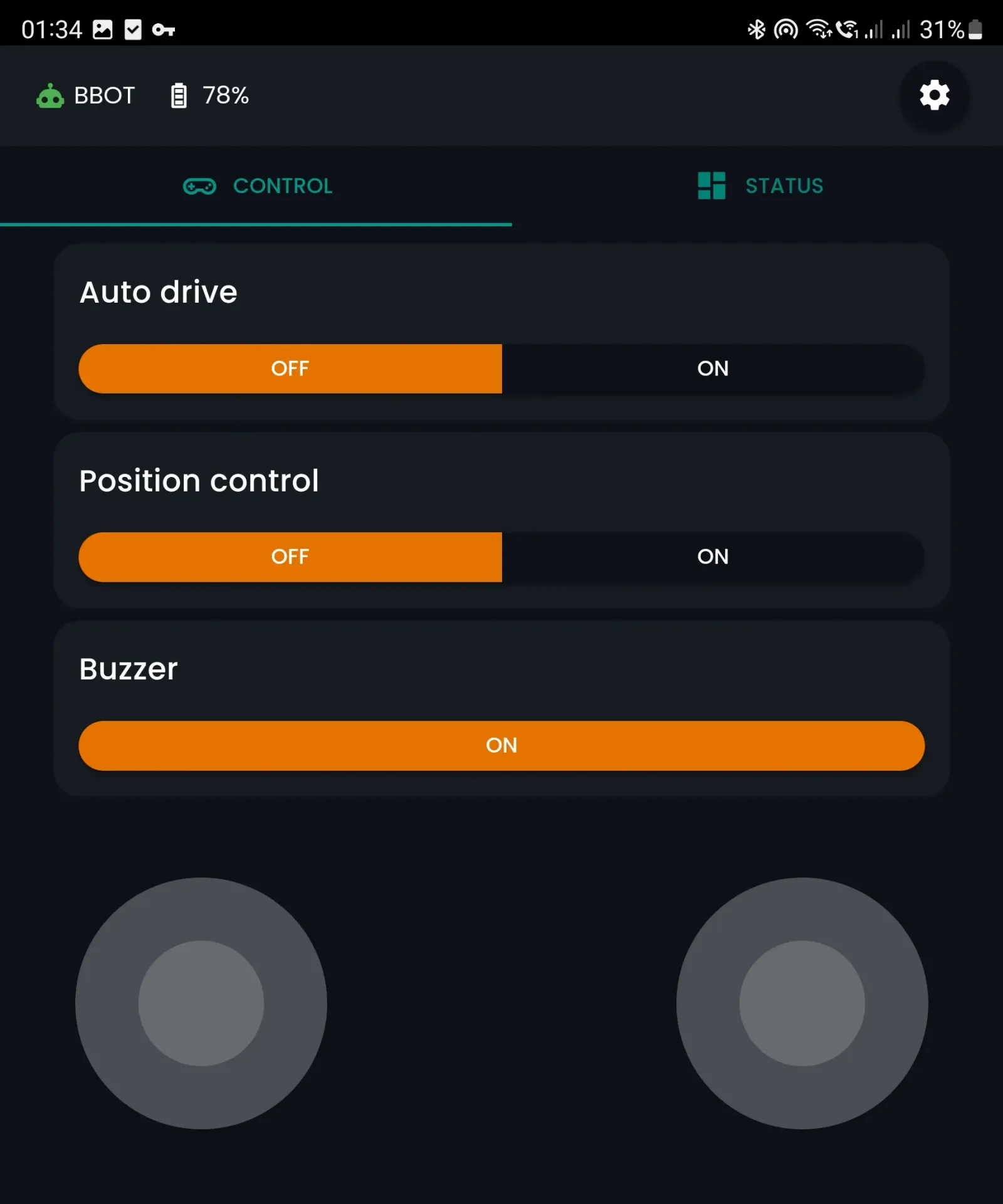
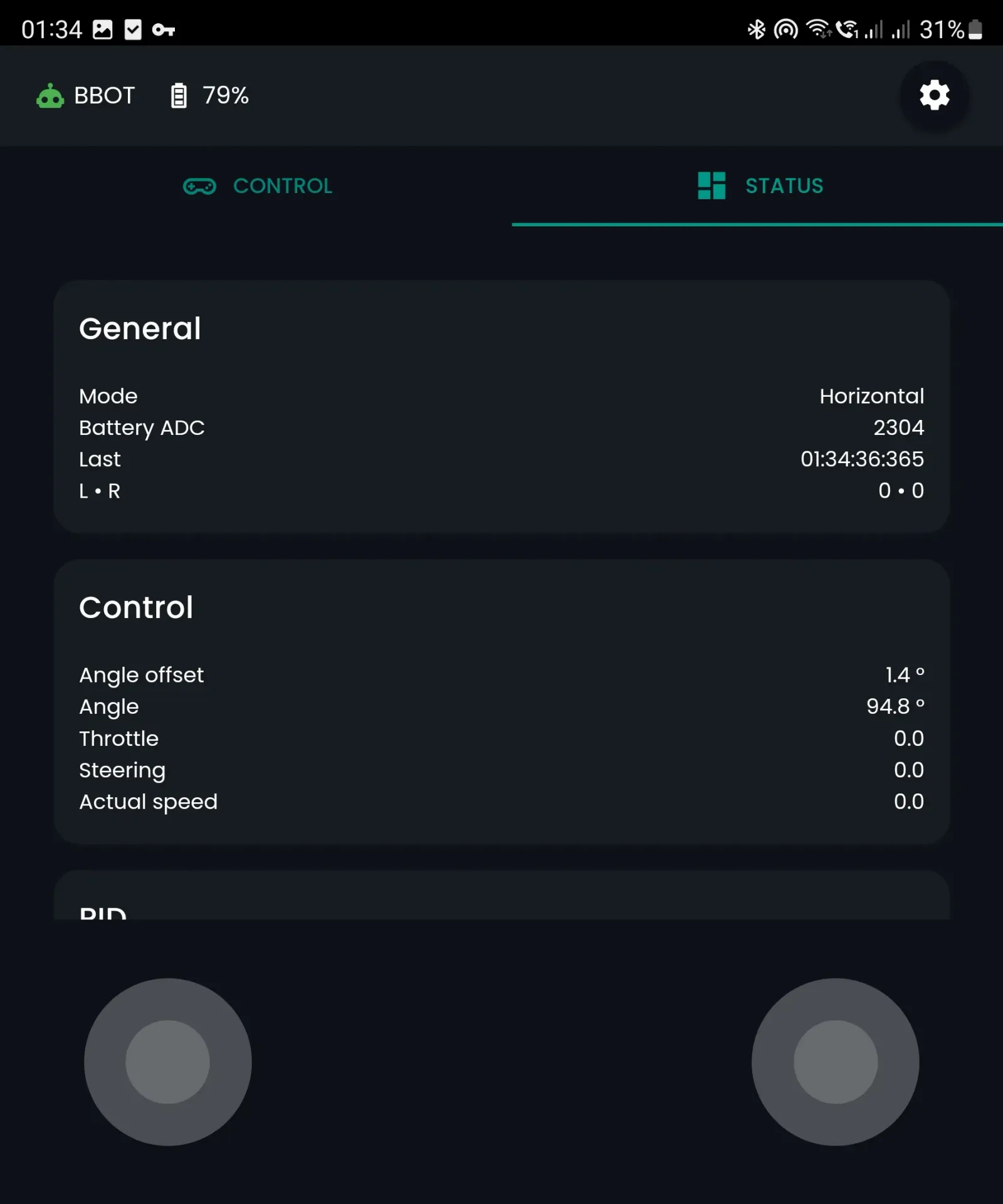
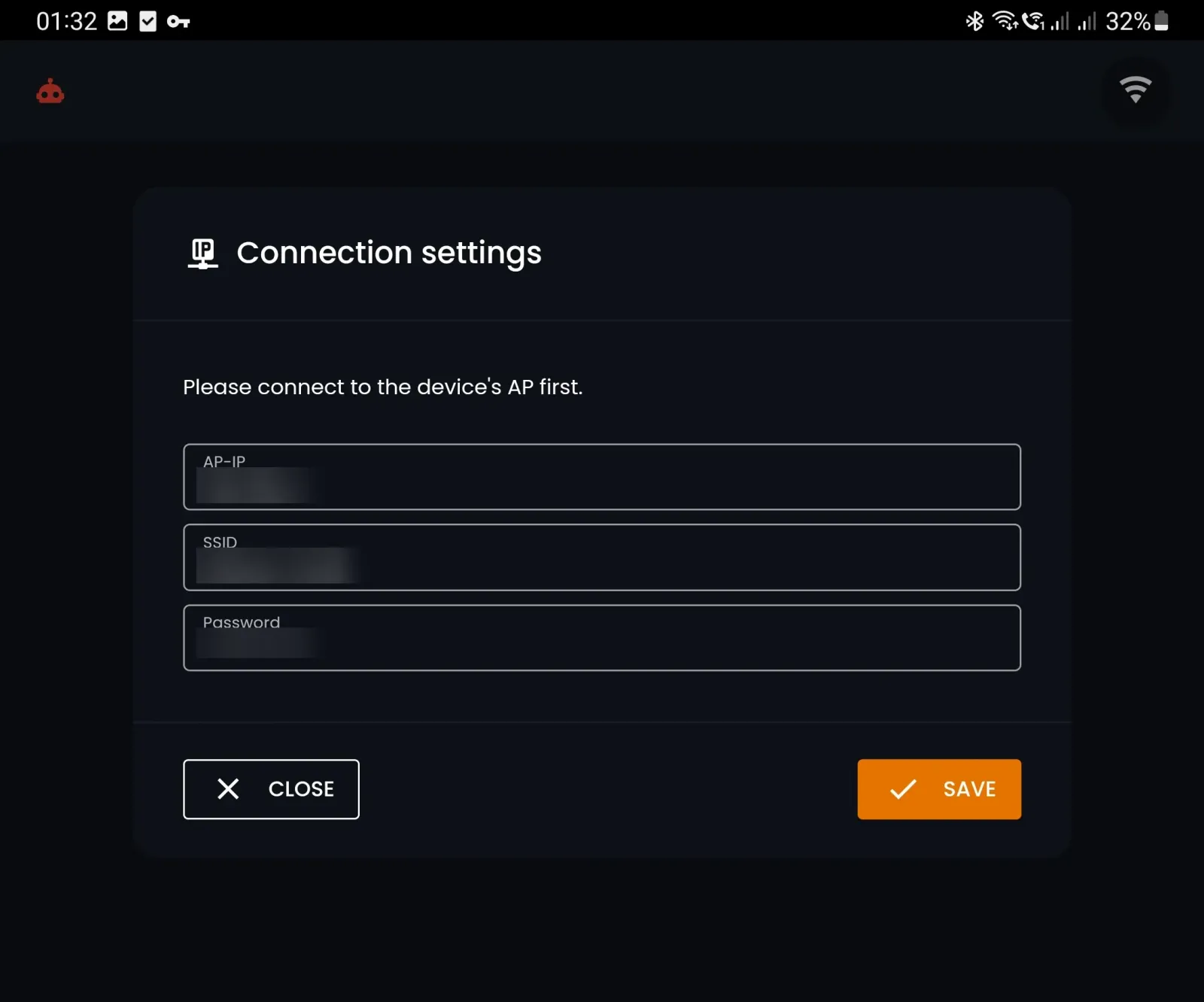
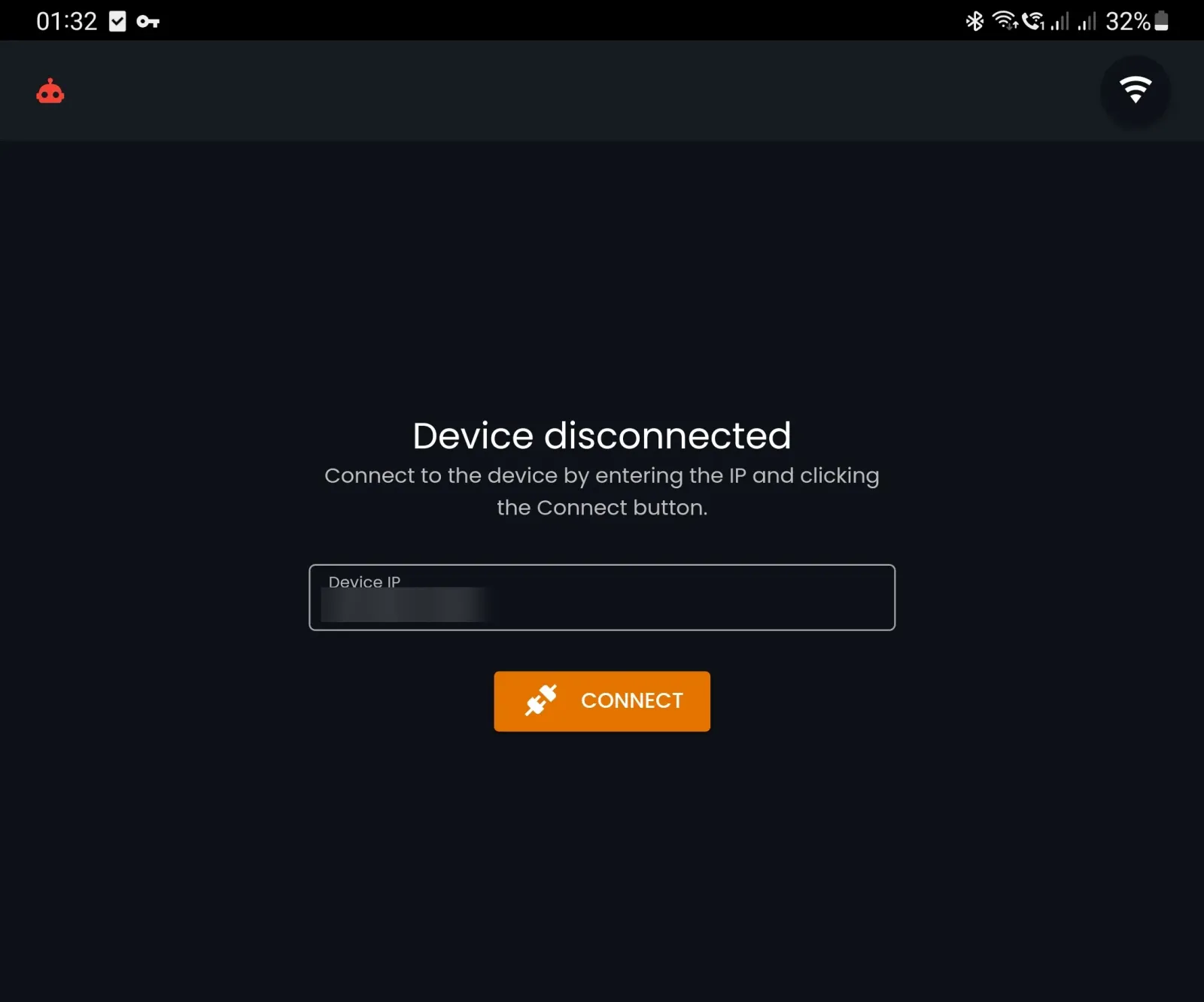
- A custom PID controller in C++ on an ESP32, a frame designed in FreeCAD and a mobile app for control over WiFi and live tuning of the controller parameters.
- Result
- Stable balancing and driving, an auto drive mode, sonar obstacle detection and a live view of the robot's state in the app.
Collaboration process
- 01
Problem description
A few sentences via the form. The reply brings clarifying questions and a proposed scope for the analysis.
- 02
Paid feasibility analysis
Feasibility verdict, recommended approach, risks, and a plan and quote for the prototype.
- 03
Paid prototype (PoC)
Building and testing a solution that proves the concept is feasible.
- 04
Further development
Developing the prototype into the target solution, if the test results justify continuing.
Have an unusual measurement problem or an idea for a device?
Get in touch